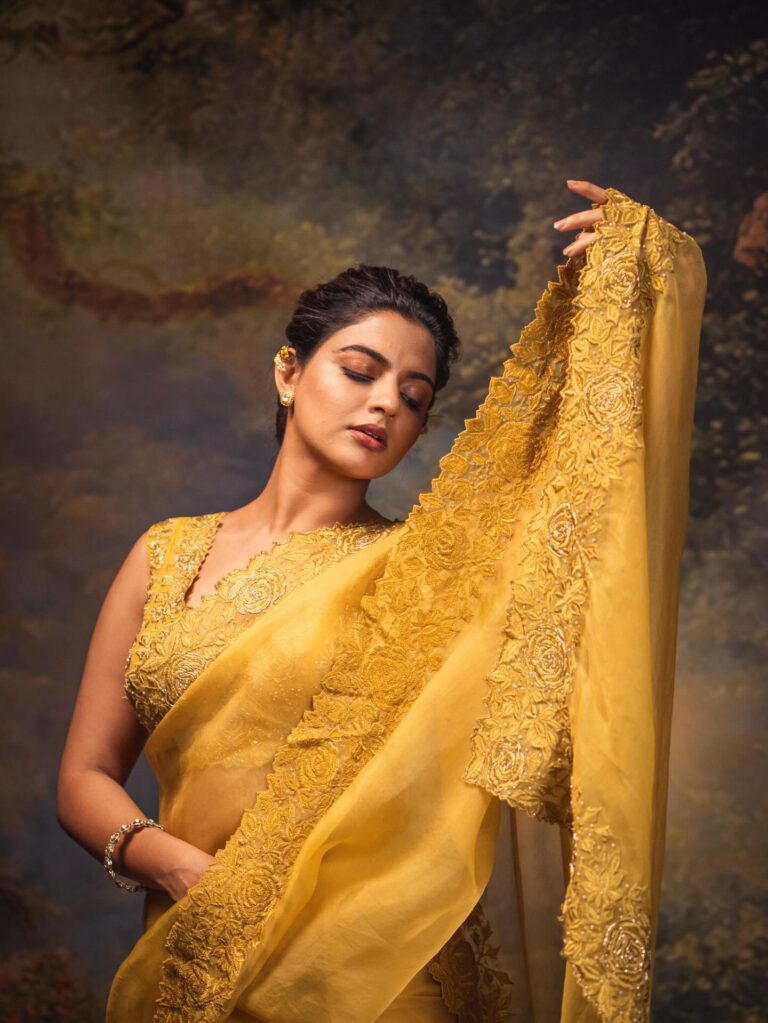
Saree Superstitions: The Power and Mystery of the Red Saree
There’s something timeless about the saree — a six-yard story woven with heritage, emotion, and identity. For generations, sarees have not just been garments but silent storytellers of Indian culture. They carry memories, mark milestones, and often, carry beliefs we don’t always question.
Whether it’s a crisp cotton for summer afternoons or a heavy silk for wedding nights, sarees in India are deeply tied to occasion, region, and even emotion. But look a little closer, and you’ll find that many of these choices are rooted in centuries-old traditions and superstitions — quietly guiding what we wear, when we wear it, and why we wear it.
What if that red saree hanging in your closet means more than just “bridal wear”? What if its color holds centuries of belief — some celebratory, others cautionary?
Today, let’s unravel one of the most iconic and mysterious saree superstitions in Indian culture: the red saree.
Red: A Symbol of Power, Purity — and Protection?
In Indian tradition, red is the color of love, fertility, and auspicious beginnings. That’s why brides across most Indian cultures wear red — be it a fiery Banarasi silk, a deep crimson Kanjeevaram, or a maroon Bandhani. Red signifies the start of a new chapter, filled with energy, life, and divine blessing.
But beyond its beauty and boldness, red carries deeper — even superstitious — meaning.
In many households, red isn’t just favored — it’s protected. Bridal sarees are often kept carefully wrapped in muslin, sometimes even with sacred threads or dried turmeric, believed to keep the “energy” of the saree intact. It’s not just fabric; it’s spiritual armor.

The Taboos: When Red Becomes Off-Limits
Interestingly, the red saree also comes with its share of restrictions. In several Indian communities, an unmarried woman is discouraged from wearing a full red saree, especially one with bridal motifs like peacocks, lotuses, or heavy gold zari. The belief? Wearing such a saree before marriage could “invite” misfortune, or worse — delay marriage itself.
Similarly, widows are traditionally not allowed to wear red, as it is considered symbolic of a life that is still “in union.” In such cases, red doesn’t represent vitality — it becomes a reminder of what is lost.
In rural regions, it’s still believed that wearing red during a funeral or mourning period could disrupt the peace of the departed soul. Even in urban families, some women avoid red during religious fasts or periods of emotional austerity, believing the color is “too fiery” and invites instability.
Inherited Beliefs or Inner Choice?
Many of us have worn red sarees without ever questioning the “why” behind them. But scratch the surface, and you’ll find your grandmother’s voice, or your mother’s passing comment: “Don’t wear red for that pooja,” or “Keep this red saree aside for your wedding.”
Are these just rituals for ritual’s sake? Or are they part of a larger cultural code passed down through generations to guide, protect, and give deeper meaning to life events?

Red Today: A Rebellion or a Revival?
In modern times, red sarees have taken on new significance. Young women proudly wear red to festivals, interviews, and even first dates. Red has become a statement of power, of femininity, of reclaiming tradition on one’s own terms.
But somewhere, the echoes of the past still linger.
Maybe you avoid red on certain days. Or maybe, you wear it because your mother once told you not to. Either way, the color carries a weight — not just of fabric, but of stories, customs, and quiet superstitions.
Conclusion: The Saree That Speaks
A saree is never just a saree. Especially when it’s red. Whether you see it as a sacred tradition or an outdated myth, the red saree continues to evoke emotion — and maybe a little mystery.
So the next time you drape yourself in red, pause for a moment. Ask yourself: What story am I wearing today? Because in India, even colors carry whispers of the past.
About the author
Sumana Bhattacharya completed her Masters in Economics from the University of Calcutta & was working with the Department of Education, Govt. of West Bengal to provide training to the teachers in Government Schools. She moved to USA in 2005 after getting married & is the mother of 2 kids. She is the one that drives IndyVogue every day, every hour, every minute and every second. Salute to her and her undying spirit.
About the Author