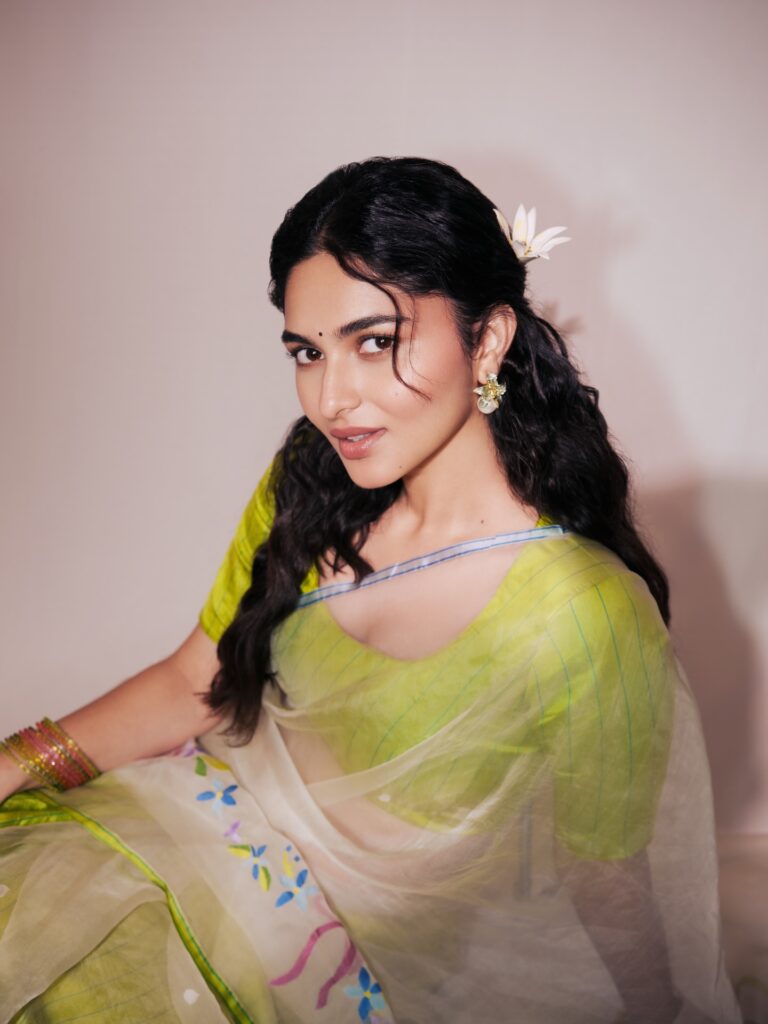
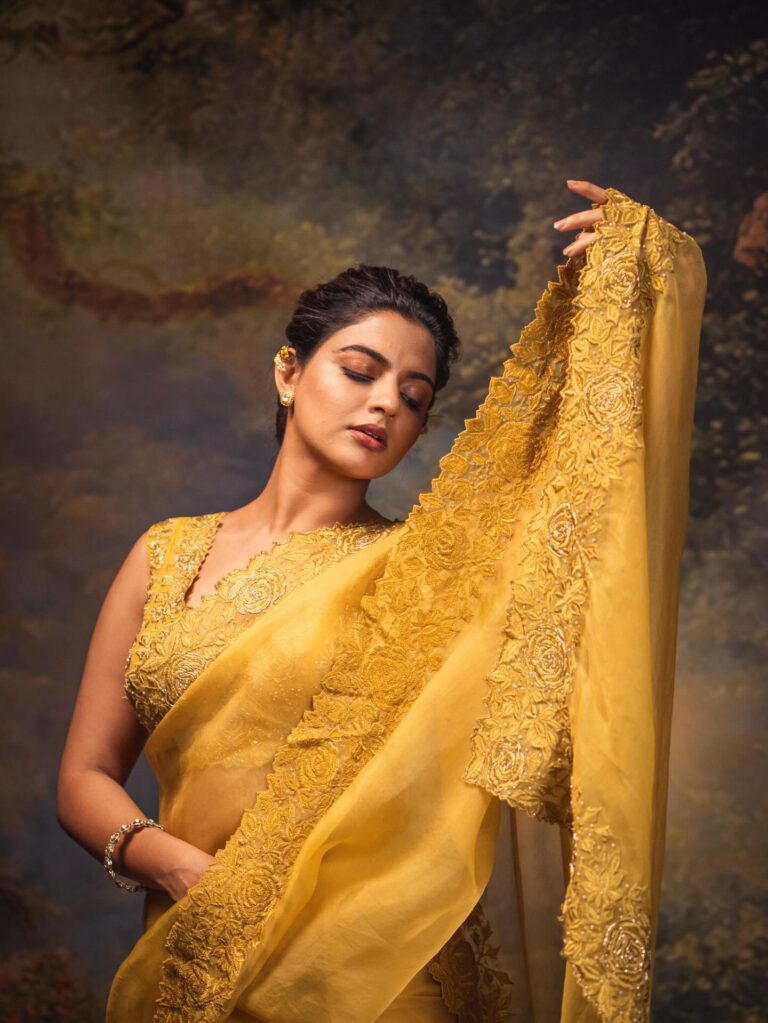
What Yellow Sarees Say Without Words
There’s something undeniably profound about a saree. In India, it’s more than a garment — it’s emotion stitched in six yards, tradition folded into pleats, and identity draped over the shoulders. It carries memories of generations and whispers stories in its weaves. Whether it’s your mother’s wedding saree or a silk handloom gifted on Diwali, a saree is never just fabric — it’s a feeling.
Across India, sarees are worn not just for style but for meaning. Certain colors mark specific festivals. Some weaves are reserved for rituals. We match drapes with seasons, textures with rituals, and even pleats with beliefs. But today, many of these traditions — and their deeper messages — are fading into the background, replaced by trends, influencers, and fast fashion.
But here’s a thought:
What if your saree’s color isn’t just aesthetic — what if it speaks? What if it reveals a mood, signals a message, or mirrors your inner world?
Let’s talk about one color that rarely screams but always shines: yellow.

The Power of Yellow: More Than Just Bright and Sunny
Yellow is often underestimated — associated with spring, flowers, and sunshine. But in Indian culture, yellow carries far more weight than its light tone lets on.
It’s the color of turmeric, the sacred element in every Indian kitchen and ritual. It’s the color worn during haldi ceremonies, where brides and grooms are blessed for prosperity and protection. In many regions, yellow is considered the color of new beginnings, good luck, and mental clarity.
It’s not just worn — it’s invoked.

Yellow as an Energy: Not Loud, But Luminous
Color psychology tells us that yellow evokes cheerfulness, optimism, and warmth. But in sarees, yellow walks a finer line. It doesn’t shout like red or seduce like black. It radiates.
A woman in a yellow saree often appears approachable yet powerful, grounded yet glowing. There’s a quiet confidence in wearing yellow — especially when styled without heavy embellishments. It says, “I bring light, not noise.”
And let’s not forget: yellow is linked to the solar plexus chakra, representing personal power, confidence, and clarity. Coincidence? Not likely.
When and Why We Wear Yellow Sarees
Traditionally, yellow sarees are worn during:
- Haldi ceremonies (pre-wedding blessings)
- Basant Panchami (a festival dedicated to Goddess Saraswati and learning)
- Gudi Padwa or Ugadi (new year in parts of India)
- Poojas and temple visits, especially on Thursdays, which are considered auspicious for yellow in Hinduism
Why? Since YELLOW is believed to invite divine energy, stimulate intellect, and promote joy. It’s a color that celebrates hope.
The Fading Code: When Meaning Gets Lost
Today, you’ll see yellow sarees on runways, in summer lookbooks, and Instagram reels. And that’s beautiful. But somewhere, the reason behind why yellow was worn for certain rituals or days has been lost in translation.
We’ve reduced color to a trend. But tradition gave it intent.
And if fashion is truly about expression, why not let your saree reflect not just your taste, but your truth?

Conclusion: Wear Yellow Like You Mean It
The next time you reach for a yellow saree, pause for a moment. What do you feel — lightness? Warmth? Renewal?
That’s not just fashion. That’s psychology, tradition, and energy all woven into one drape.
In a world trying to out-shout itself in red carpets and bold statements, yellow remains the calm voice in the room that still gets heard.
So wear yellow. Not just for how it looks, but for what it reminds you of — joy, clarity, growth, and the sacred power of simply being radiant.
About the author
Sumana Bhattacharya completed her Masters in Economics from the University of Calcutta & was working with the Department of Education, Govt. of West Bengal to provide training to the teachers in Government Schools. She moved to USA in 2005 after getting married & is the mother of 2 kids. She is the one that drives IndyVogue every day, every hour, every minute and every second. Salute to her and her undying spirit.
About the Author