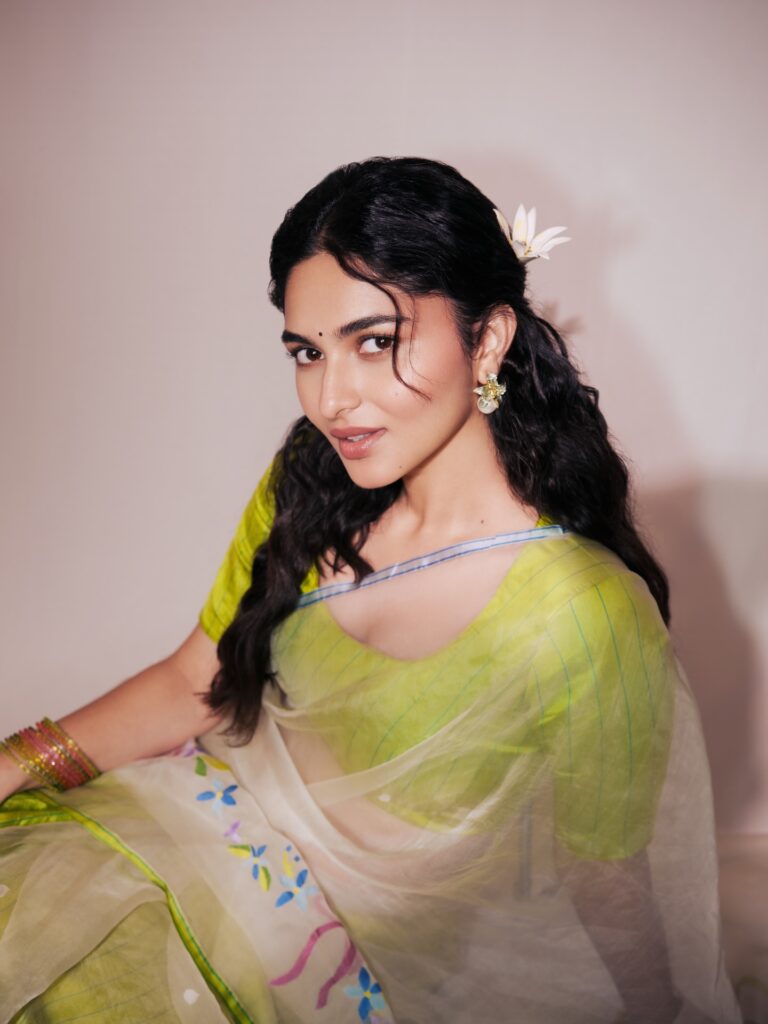
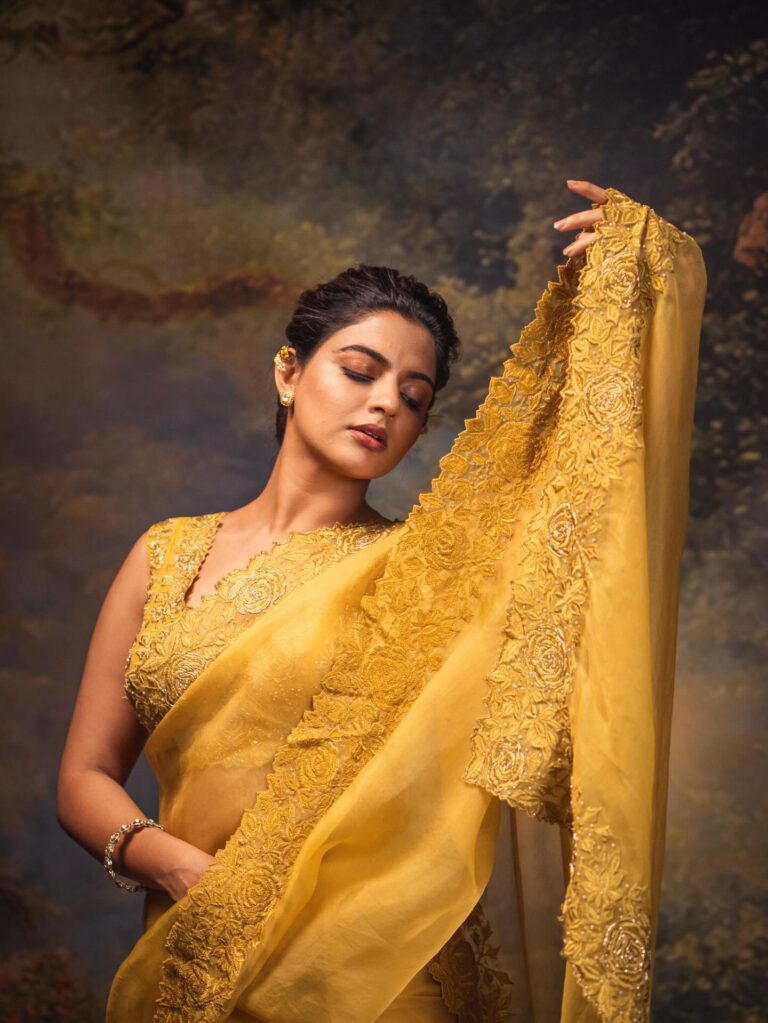
Ikkat is one of those weaves that catches your eye the moment you see it. The patterns look almost blurred, like a watercolor bleeding into fabric, yet they are perfectly precise.
That signature blur is what makes ikkat stand out from other prints. It is not a print in the usual sense. It is a technique, a way of dyeing the thread before the fabric is woven, and that changes everything.
There is also something deeply personal about ikkat. It does not feel factory-made or repetitive. Each piece has small variations that remind you it was made by hand, not machines. You notice the texture, the colors, the effort that has gone into it. It feels lived-in even when it is new.
At Sudathi, we see more women choosing ikkat not just for its look, but for what it represents. It brings together comfort, heritage, and individuality in a way few fabrics can. Whether it is a cotton ikkat for everyday wear or a silk piece for special occasions, it fits into real wardrobes with ease.
Once you understand how ikkat is made, you start seeing it differently. It is no longer just a saree. It is a craft, a process, and a story woven into every thread.
What Makes Ikkat Different
Most fabrics get their patterns after they are woven. The cloth is made first, then colors are printed or embroidered onto it. Ikkat works the opposite way.
The threads are dyed first, with certain sections tightly bound to resist the dye. Then those threads are woven into fabric. The pattern emerges only when the weaving is complete.
This is called resist-dyeing. The areas that are bound do not take the color. When the bindings are removed after dyeing, the original thread color shows through, creating the pattern.
This requires planning the design in reverse, like solving a puzzle backward. The weaver has to visualize how the final pattern will look while dyeing each thread.
The result is a soft, slightly fuzzy edge where the colors meet. That is the ikkat look, and nothing else quite does it. The pattern feels alive, not rigid, which is why ikkat sarees have such a loyal following.
Where Ikkat Comes From
Ikkat is not new. It has been practiced for centuries across different parts of the world.
India
In India, ikkat is strongest in these regions:
- Patan, Gujarat – Known for Patola, the double ikkat style where both warp and weft threads are resist-dyed. This is the most complex form and requires extreme skill.
- Rajkot and Surendranagar – Gujarat villages where weavers have kept the craft alive for generations.
- Manipur and Assam – Single ikkat phulam and Naga textiles, more geometric and bold in pattern.
Indonesia
The word “ikkat” actually comes from the Malay-Indonesian word ikat, meaning to bind or knot. Indonesia, especially Java and Bali, has a rich tradition of ikkat weaving. Indian and Indonesian ikkat developed somewhat independently, but they share the same core principle of binding threads before dyeing.
Central Asia
Regions in Turkmenistan and Uzbekistan also have historical ikkat traditions, where it is known by local names. The techniques spread along trade routes, connecting different cultures through this craft.
How Ikkat is Made: The Process
Understanding the process helps you appreciate why ikkat costs more than regular printed fabric. Here is how it works:
Step 1: Designing
The weaver maps out the pattern on graph paper. Every thread position is planned in advance. This is the blueprint.
Step 2: Winding the Warp
Hundreds of warp threads are wound onto a frame. The design is transferred onto these threads one by one, marking where the bindings will go.
Step 3: Binding (Resist)
Using rubber bands, cotton thread, or plastic sheets, the weaver tightly binds certain sections of each thread. These protected areas will not take the dye.
Step 4: Dyeing
The bound warp is dipped into dye pots. The bound sections keep their original color. After drying, the bindings are removed, and new bindings are placed for the next color. This repeats for every color in the design.
Step 5: Weaving
The carefully dyed warp is loaded onto the loom. Weft threads are added. As weaving proceeds, the pre-dyed pattern emerges on the cloth.
Single vs Double Ikkat
In single ikkat, only the warp (lengthwise threads) are resist-dyed. The weft (crosswise threads) are plain. This is quicker and more common.
In double ikkat, both warp and weft threads are resist-dyed. The pattern appears on both sides of the fabric, and it matches almost perfectly. Double ikkat is much harder to make and takes longer. Patola from Gujarat is the finest example of double ikkat.
Types of Ikkat Sarees
Ikkat is versatile. It works across fabric types, each giving a different feel.
- Cotton Ikkat – Lightweight, breathable, and perfect for daily wear. Cotton ikkat sarees work well in summer, for office wear, or casual outings. They are easy to maintain and get softer with every wash.
- Silk Ikkat – Luxurious and rich. Silk ikkat has a natural sheen that elevates the look. These are preferred for festivals, weddings, and festive occasions. The combination of silk’s shine and ikkat’s pattern creates a stunning effect.
- Chiffon and Georgette Ikkat – Flowy and modern. These lighter fabrics give ikkat a contemporary feel. They drape beautifully and work for evening events or parties.
Here are some beautiful ikkat sarees you can explore:


Why Ikkat is Trending Now
In recent years, ikkat has seen a big resurgence. Here is why:
- Slow fashion movement – People want to buy less but buy better. Ikkat represents slow fashion, a craft that takes weeks to complete. Owning an ikkat saree means owning a piece of handmade history.
- Unique identity – No two ikkat pieces are exactly alike. The slight variations are not flaws, they are proof of handwork. This makes ikkat feel personal and special.
- Sustainable choice – Natural dyes are often used in traditional ikkat. The process creates less waste than mass printing. For conscious buyers, this matters.
- Festival and wedding appeal – Ikkat fits the Indian festival calendar perfectly. It feels festive without being heavy. The patterns work for weddings, pujas, Eid, Diwali, and other celebrations.
Caring for Your Ikkat Saree
Ikkat is delicate, especially silk ikkat. A little care goes a long way:
- Dry clean silk ikkat. The dyes can bleed if washed at home.
- Cotton ikkat can be gently hand-washed in cold water with mild detergent.
- Store in a cotton cloth bag, not plastic. Let it breathe.
- Avoid direct sunlight when drying. Natural dyes can fade.
- Iron on low heat, preferably with a cotton cloth between the iron and the saree.
The Story Worth Wearing
Ikkat is more than a pattern. It is a story woven into thread, a craft that predates machines and still survives because weavers chose to keep it alive. Every ikkat saree carries hundreds of years of tradition, countless hours of patient work, and the reputation of a community that refused to let go of its skills.
When you drape an ikkat saree, you are not just wearing a piece of fabric. You are wearing a piece of history. The slightly blurred edges, the rich colors, the handwoven texture, all of it tells a story. That story is worth preserving, one drape at a time.
At Sudathi, this story is brought closer to you through thoughtfully curated ikkat collections. Each piece is chosen to reflect both tradition and modern wearability, making it easier to add something meaningful to your wardrobe.
If you are looking to invest in a saree that feels personal, timeless, and rooted in craft, ikkat from Sudathi is a great place to start.
About the Author