Every year, as monsoon clouds gather and the air turns thick with anticipation, millions of women across India dress in emerald greens, apply intricate mehendi designs, and observe a day-long fast for Hariyali Teej.
It’s one of the most visually stunning festivals in the Hindu calendar – a celebration that fills villages and cities with the rustle of silk, the scent of mogra flowers, and the joyful creak of decorated swings.
But beneath the glamorous surface of this “green festival” lies a tapestry of ancient symbolism that most of us barely scratch.
We know the rituals – we perform them, we enjoy them – but do we truly understand what we’re celebrating?
The Rituals You Know: A Visual Feast
When we think of Hariyali Teej, certain images instantly come to mind. These are the rituals that define the festival’s visual identity – the ones we’ve grown up watching, clicking photographs of, and sharing on social media.
1. The Green Saree
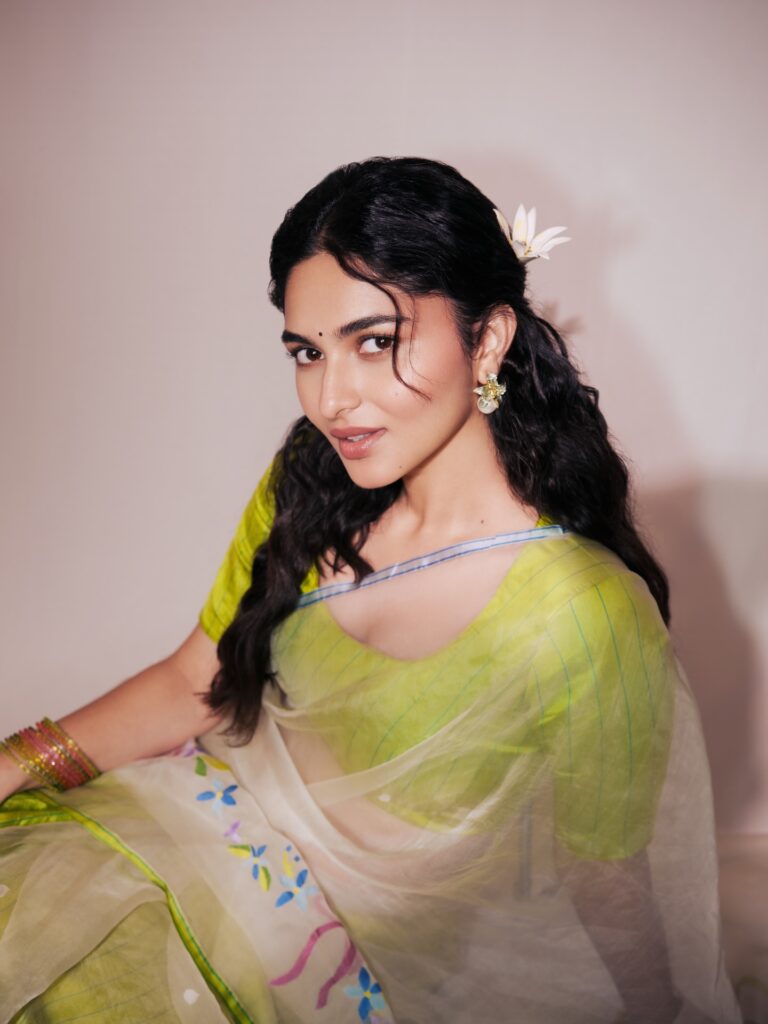
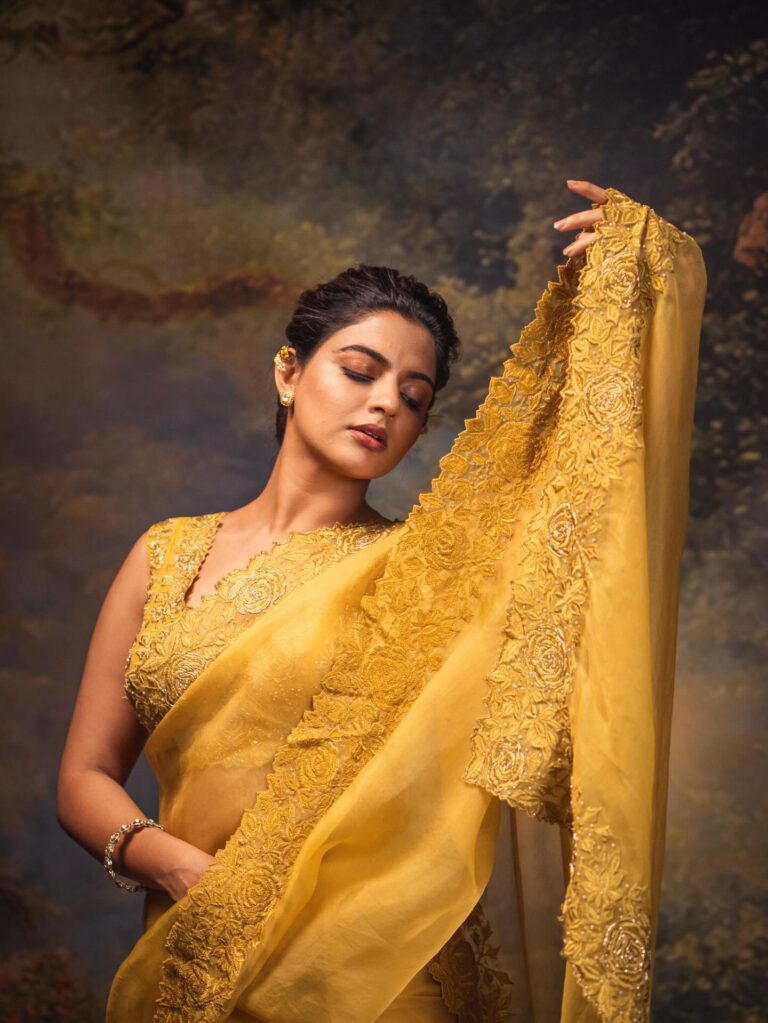
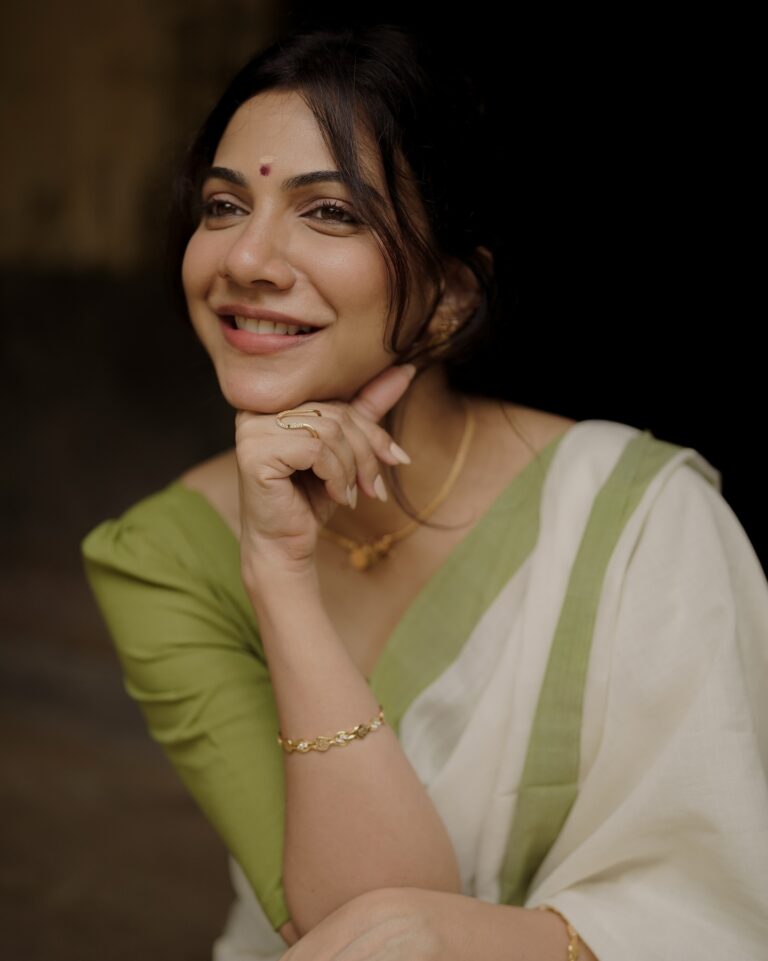
From Rajasthan’s vibrant Bandhani to Banarasi silk with its gold zari borders, women draped in shades of emerald, jade, and moss mark Hariyali Teej with a collective fashion statement. The color green dominates every gathering, every puja thali, every decoration.


2. The Mehendi
Henna on hands isn’t just decoration – it’s almost mandatory. The darker the mehendi, the more love and prosperity awaits. Families gather, and professional mehendi artists work overtime creating elaborate designs that range from traditional motifs to modern patterns.
3. The Jhula (Swing)
The decorated swing is perhaps Hariyali Teej’s most iconic image. Women – married and unmarried – gently sway on swings hung from ceilings, trees, or specially erected frames, draped in finery. The jhula represents joy, abundance, and the playful romance between Shiva and Parvati.
4. The Hartalika Vrat (Fasting)
Married women observe a strict fast from sunrise to moonrise, breaking it only after performing evening puja. This vrata is observed for the long life, health, and prosperity of their husbands. Some even skip water – a practice that shows the depth of devotion.
5. Shiva-Parvati Puja
The day culminates with prayers offered to Lord Shiva and Goddess Parvati. Temples glow with diyas, incense fills the air, and women gather to sing traditional bhajans that narrate the divine love story.
The Meaning You Don’t: The Hidden Symbolism
Now let’s peel back the layers. Here’s what those rituals really represent—and why they matter beyond their aesthetic appeal.
Why Green?
The word “Hariyali” literally means “greenery.” But this isn’t just about nature’s beauty. In Hindu symbolism, green represents:
- Prosperity and abundance – the monsoon brings life to crops, and green is the color of growth
- New beginnings – just as the monsoon washes away the scorching summer, green signifies renewal
- Marital fertility – the colour is linked to fertility goddesses and is considered auspicious for married women
- The natural world – Hariyali Teej celebrates humanity’s relationship with nature and the cycles of the earth
When you drape that green saree this Teej, you’re not just following a trend—you’re wearing centuries of agricultural wisdom and spiritual symbolism on your body.
Why the Jhula Represents Divine Union
The swing isn’t just fun – it’s a metaphor. Legend says Goddess Parvati played on a swing with Lord Shiva in the heavenly gardens, and their playful banter eventually led to their divine marriage.
When women swing on Hariyali Teej, they’re reenacting that celestial romance, seeking blessings for their own marriages.
The up-down motion also symbolizes life’s ups and downs—and the belief that divine grace keeps couples steady through both.
Why Hartalika Vrat Matters
The word “Hartalika” comes from two Sanskrit words: “harat” (to remove) and “alika” (troubles). The fast isn’t about suffering – it’s about removing obstacles from a husband’s life. But here’s what many don’t realize: this vrata is also about self-discipline.
A woman demonstrating control over her own needs for an entire day shows the goddess the same dedication she showed Shiva.
Modern interpretations see this as a day of introspection – a reminder of the vows and sacrifices that strengthen partnerships.
Why Mehendi Is More Than Decoration
Beyond the intricate patterns lies deep symbolism. The henna plant is considered cooling and medicinal in traditional medicine. Applying it during monsoon helps cool the body after summer’s heat. Additionally, the mehendi stain’s deep color is associated with the “sindoor” of marital devotion – the more vivid it is, the stronger the marital bond.
Why Shiva and Parvati?
This festival commemorates the day when Goddess Parvati, in her form as Sati, performed severe tapasya (austerities) to win Lord Shiva’s hand. After years of meditation, Shiva finally accepted her as his consort. Their union represents:
- Devotion that conquers all – Parvati’s persistence is the ultimate love story
- The balance of masculine and feminine energies – Shiva (ascetic) and Parvati (householder) together represent wholeness
- Marital bliss – their divine relationship is the template Hindu wives aspire to
Celebrate Hariyali Teej the Sudathi Way
At Sudathi, we believe every festival is an opportunity to connect with your roots while looking your absolute best. This Hariyali Teej, elevate your celebration with our curated collection of green sarees that honor tradition without compromising on style.
From luxurious Banarasi silks with intricate zari work to lightweight Bandhani prints perfect for the monsoon humidity, each piece in our collection tells its own story – just like the rituals you’ve just discovered.


About the Author