The Family Man and the Saree Story: Everyday Elegance on Screen
When we think of The Family Man, we instantly picture Manoj Bajpayee juggling between saving the nation and surviving his middle-class family life — a mix of chaos, humor, and heart. But look closely, and there’s another unsung hero quietly draping its way through the show — the saree.
As the Amazon Prime hit gears up for Season 3, fans are buzzing with theories, action sequences, and cliffhangers. But for us saree lovers, there’s one more reason to tune in — the way the show beautifully portrays everyday Indian family life through the lens of sarees.
Sarees in Real Homes, Not Just Glam Sets
What makes The Family Man stand out is its authenticity. It doesn’t give us glossy, picture-perfect households; it gives us homes that feel lived in — with steel utensils, half-done laundry, and yes, the timeless cotton and chiffon sarees worn by women balancing family and careers.
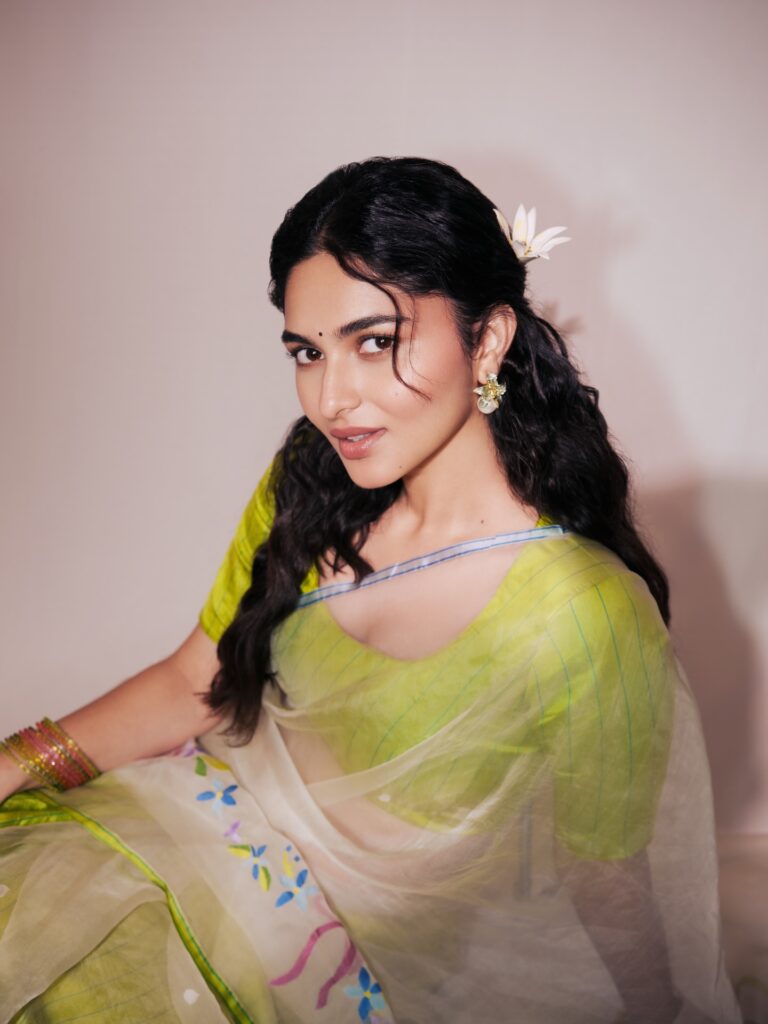
Priyamani, who plays Suchi, doesn’t wear extravagant costumes — her sarees are everyday, relatable, and real. Think muted handlooms, light chiffons, or simple printed georgettes — exactly what an urban working woman would wear. Whether she’s serving breakfast, attending a PTA meeting, or celebrating Diwali, her sarees speak the language of home and hustle.
How to Spot Saree-Rich Episodes
If you’re planning to rewatch the show before the new season, here’s your little saree guide to The Family Man’s most fashion-filled moments:
1. Weddings and Festivals
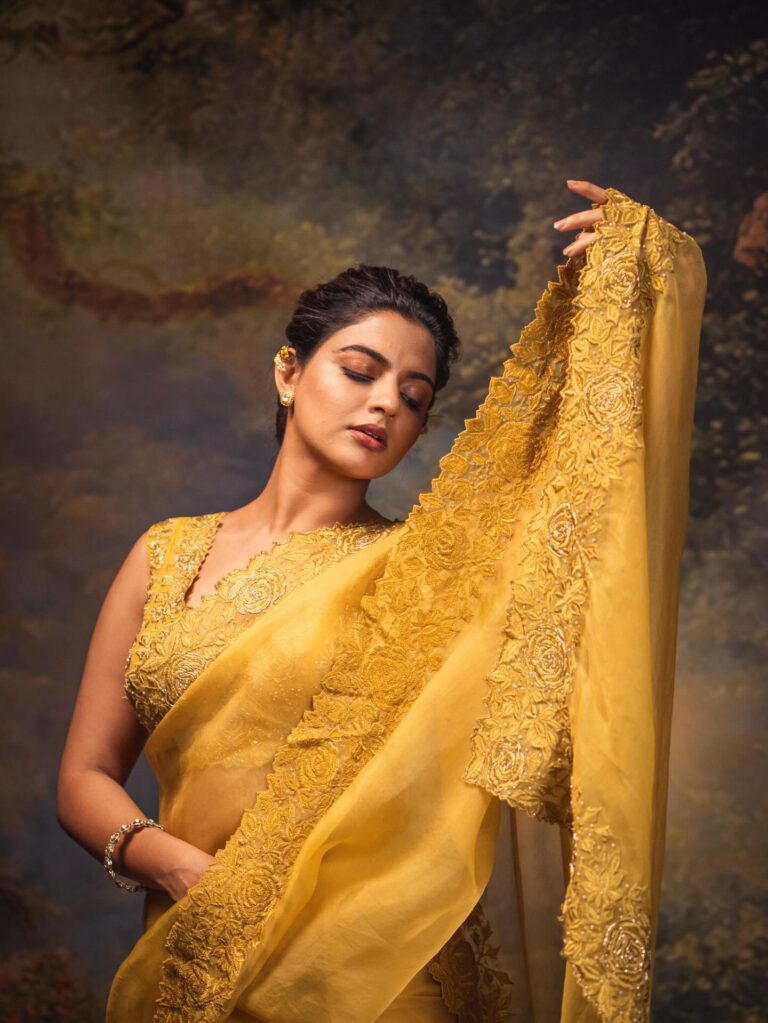
Keep an eye on the festive episodes — the Haldi, Diwali, and puja scenes are absolute saree treasure troves. You’ll spot vibrant yellows, festive reds, and the occasional Banarasi or Kanjeevaram making a cameo. These are the moments when the saree becomes more than an attire — it becomes a memory, part of every Indian celebration.

2. Family Gatherings
Whenever there’s a family reunion or celebration in the series, sarees dominate the frames. They aren’t about glamour, but about identity — the mom in a soft cotton, the aunt in her starched silk, the cousin experimenting with a trendy blouse. It’s fashion woven into family life.
3. Regional or Period Scenes
When The Family Man delves into flashbacks or regional subplots, sarees shift tone — earthy handlooms, simple drapes, and minimal jewelry. It’s costume storytelling at its best. Period storylines or traditional rituals often use sarees to ground the characters in authenticity.
Sarees as Storytelling
Sarees in The Family Man aren’t just props — they help tell the story. Each drape reflects a woman’s role, mood, and place in the social fabric. Suchi’s modern sarees mirror her independent spirit and emotional conflicts; the older women’s traditional drapes symbolize continuity and comfort.
Even in high-stakes thrillers, the saree reminds us that life goes on — that between espionage and explosions, there’s always a mother waiting with dinner, a wife getting ready for work, or a neighbor hosting a festival.

Final Wrap-Up
As Season 3 approaches, we’ll no doubt see more action, tension, and unexpected twists. But here’s hoping we also see more of those small, heartfelt saree moments — the quiet elegance that turns an ordinary household into something deeply Indian.
Because behind every secret agent, there’s a home — and in that home, there’s almost always a saree, softly swaying in the background, holding it all together.
About the author
Sumana Bhattacharya completed her Masters in Economics from the University of Calcutta & was working with the Department of Education, Govt. of West Bengal to provide training to the teachers in Government Schools. She moved to USA in 2005 after getting married & is the mother of 2 kids. She is the one that drives IndyVogue every day, every hour, every minute and every second. Salute to her and her undying spirit.
About the Author