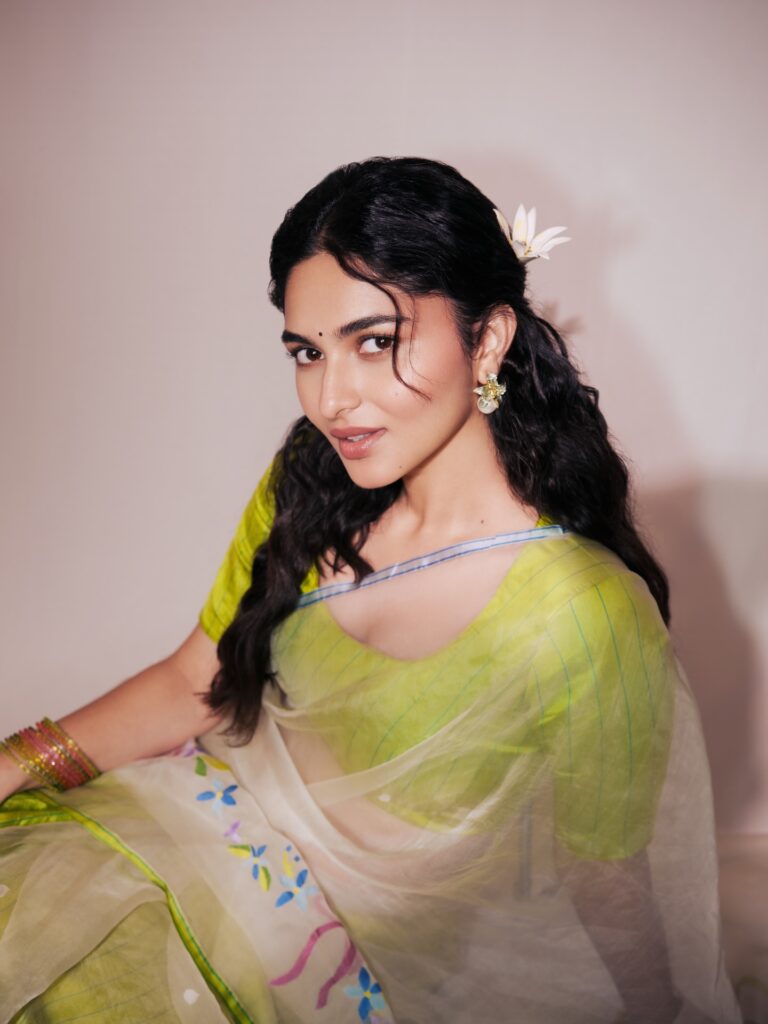
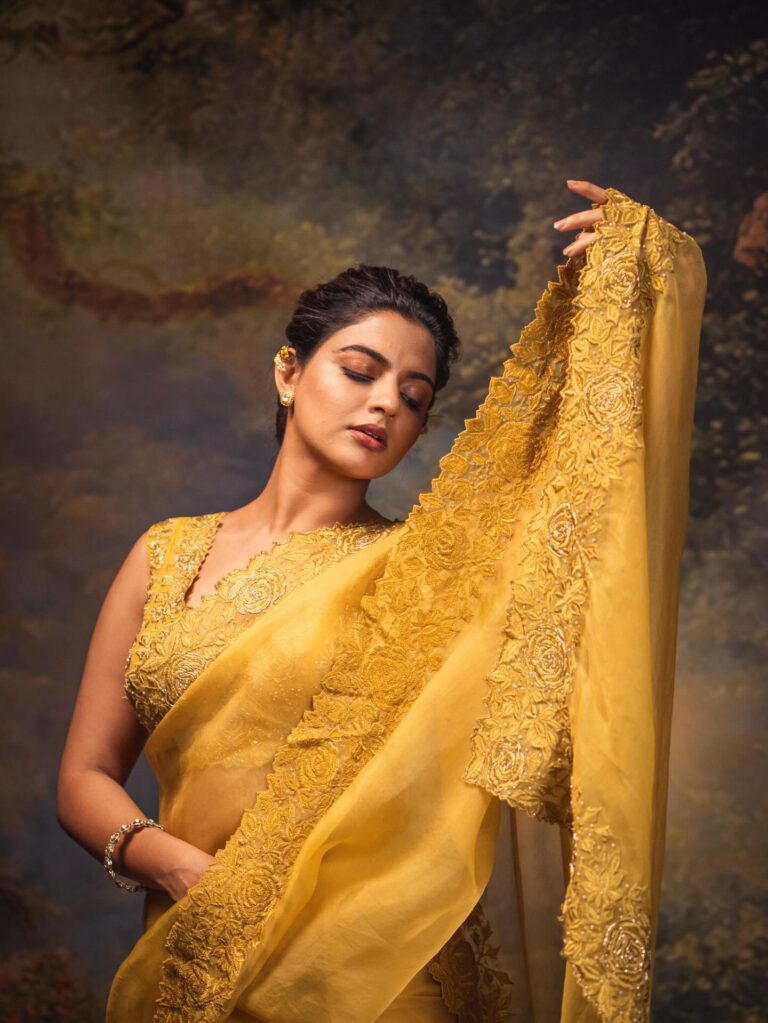
In today’s fashion landscape—where trends change every few weeks and fabrics are often designed to last only a season—the renewed interest in vintage sarees may seem surprising. Yet, across India and globally, vintage sarees are no longer seen as “old” or “outdated.” They are now considered rare, sustainable, culturally rich, and deeply personal pieces of fashion.
But what exactly is a vintage saree? How do you identify one? And more importantly, why is restoring and buying vintage sarees becoming such a powerful statement today?
This blog explores the meaning of vintage sarees, how to recognise them, and the deeper purpose behind owning one—while connecting them to current fashion and lifestyle trends.
What Is the Meaning of a Vintage Saree?
A vintage saree typically refers to a saree that is 20–50 years old, often handwoven, crafted using traditional looms, natural fibres, and age-old dyeing or weaving techniques. These sarees were made during a time when:
-
Fabric quality mattered more than speed
-
Sarees were woven to last decades, not seasons
-
Design decisions were rooted in culture, climate, and utility
Unlike modern mass-produced sarees, vintage sarees were not trend-led. They were life-led—designed for everyday wear, ceremonies, travel, and long hours of use.
Each vintage saree carries:
-
A regional identity
-
A weaver’s signature style
-
The social and cultural context of its time
This is why no two genuine vintage sarees ever look exactly alike.
How to Identify a Genuine Vintage Saree
Identifying a real vintage saree requires observation, not labels. Here are the most reliable markers:
1. Fabric Feel and Weight
Vintage sarees—especially cottons, silk cottons, and early silks—have a distinct softness that comes only with time. The fabric feels lived-in but strong, never stiff or plasticky.
-
Cotton becomes breathable and supple
-
Silk develops a muted sheen, not a glossy shine
2. Handloom Irregularities
Look for tiny inconsistencies:
-
Slight variations in weave
-
Minor thread overlaps
-
Borders that aren’t perfectly symmetrical
These are signs of handloom weaving—not flaws.
3. Natural Colour Ageing
Vintage sarees often show:
-
Softened hues
-
Gentle fading in certain areas
-
Colours that look absorbed into the fabric rather than sitting on top
This is common in sarees dyed with vegetable or natural dyes.
4. Traditional Motifs and Borders
Older sarees often carry:
-
Temple borders
-
Minimal zari usage
-
Regional patterns specific to Mangalagiri, Kanchipuram, Bengal, or South Indian cotton traditions
The design language is subtle, never loud.
5. Absence of Synthetic Blends
True vintage sarees are usually free from polyester blends, chemical finishes, or heavy starching.
Why Restore Vintage Sarees Instead of Buying New Ones?
Restoring a vintage saree is not about nostalgia—it’s about intentional consumption.
1. Sustainability Beyond Buzzwords
Restoring a saree already in existence:
-
Uses no new raw materials
-
Requires no fresh dyeing or industrial processing
-
Leaves a near-zero carbon footprint
In an age of climate-aware fashion, vintage sarees represent true sustainability, not marketing sustainability.
2. Preserving Disappearing Weaving Knowledge
Many weaving techniques visible in vintage sarees are no longer practiced today due to cost, time, or lack of demand. Restoration becomes a way to archive and protect these methods.
3. Emotional and Cultural Continuity
A restored saree often carries:
-
Family histories
-
Regional identities
-
Stories that modern garments simply cannot replicate
Owning one is like owning a wearable document of Indian textile history.
The Deep Purpose Behind Buying Vintage Sarees Today
The growing preference for vintage sarees is closely tied to larger lifestyle shifts:
1. Slow Fashion Is Becoming Aspirational
Today’s conscious buyer values:
-
Longevity over novelty
-
Craft over convenience
-
Meaning over mass appeal
Vintage sarees fit seamlessly into this mindset.
2. Personal Style Over Algorithm Style
With fashion increasingly driven by algorithms and trends, vintage sarees offer individuality. No influencer can replicate your saree because no duplicate exists.
3. Quiet Luxury Is the New Trend
Globally, fashion is moving towards:
-
Understated elegance
-
Natural fabrics
-
Subtle textures
Vintage sarees embody quiet luxury—luxury that doesn’t shout.
4. Multi-Generational Dressing
Vintage sarees can be:
-
Styled for office wear
-
Dressed up for intimate weddings
-
Passed down again to the next generation
Few modern garments offer this versatility.
How Vintage Sarees Are Being Styled Today
Modern styling has completely transformed how vintage sarees are worn:
-
Paired with contemporary blouses
-
Styled with minimal jewellery
-
Worn as smart casuals or workwear
-
Draped loosely, without heavy starch
This blend of old and new is what makes vintage sarees especially relevant to younger audiences.
Vintage Sarees Are Not Old — They Are Timeless
Buying or restoring a vintage saree is not about rejecting modern fashion. It is about choosing depth over disposability.
In a world overflowing with options, vintage sarees offer something rare:
-
Authenticity
-
Sustainability
-
Cultural continuity
They remind us that fashion can be thoughtful, responsible, and deeply personal—without losing relevance or style.
About the Author