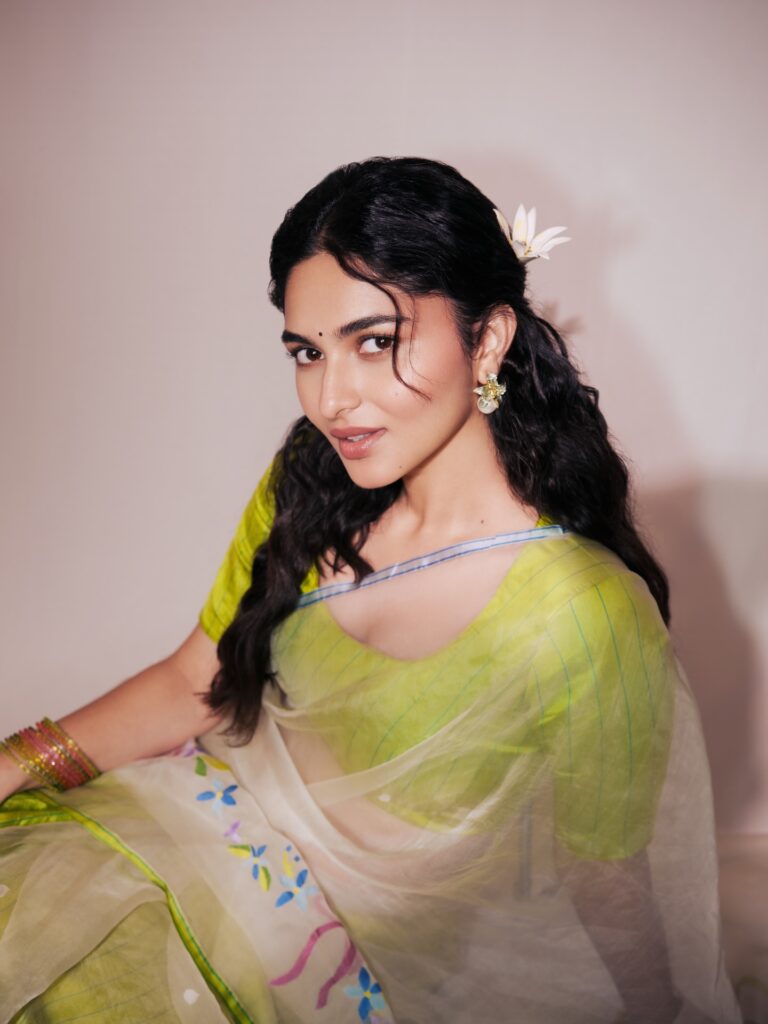
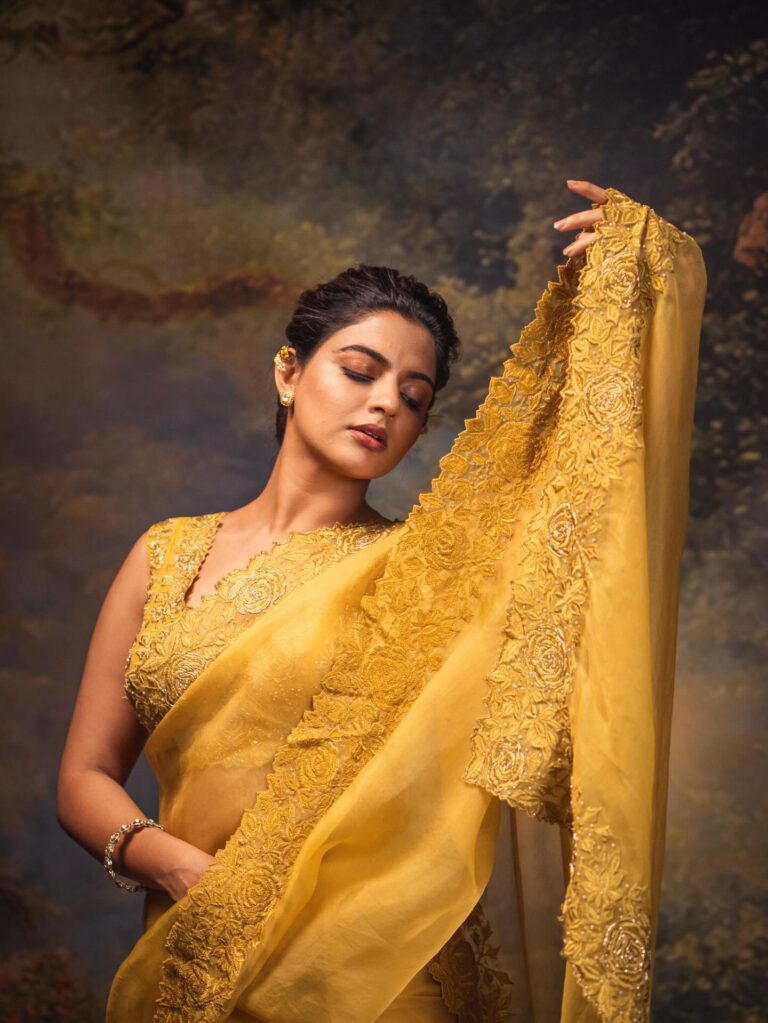
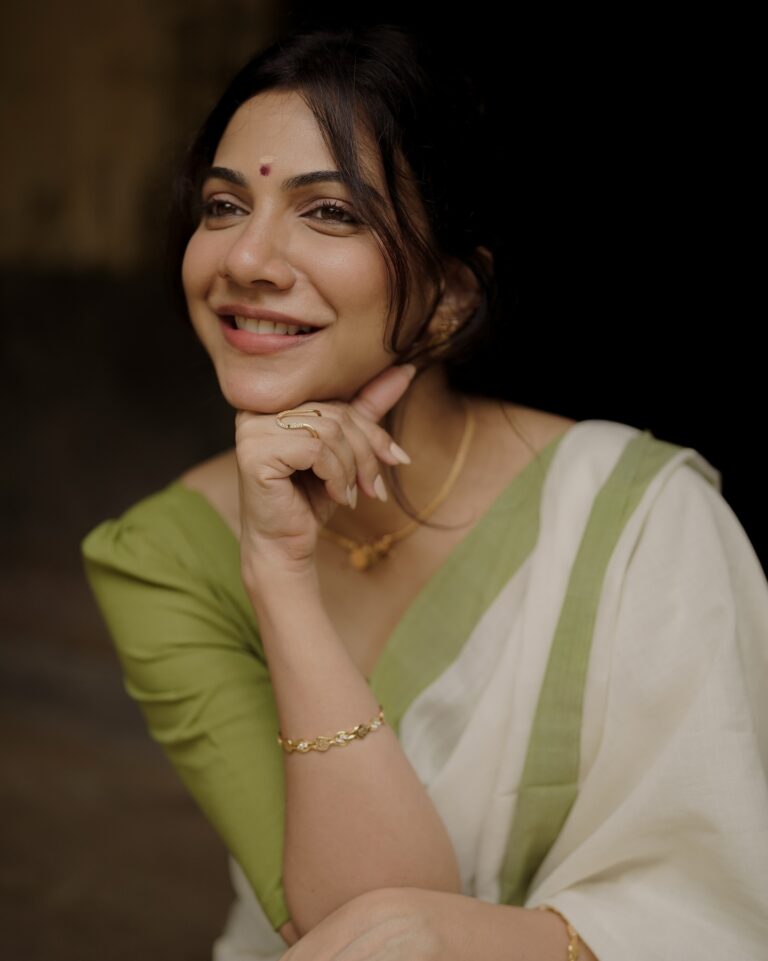
A Rajputi saree is a traditional Rajasthani drape characterized by full coverage and an odhni over the head. To wear it correctly, start by tucking the saree at the waist, make neat front pleats, wrap it around the body, drape the pallu over the shoulder and head, and accessorize with traditional jewellery for a regal appearance.
Learning how to wear rajputi saree is not just about draping fabric; it is an immersion into centuries-old Rajasthani tradition. At WeaverStory, our collection of handwoven Rajputi sarees allows you to experience heritage through premium fabrics, authentic designs, and artisan craftsmanship. By following a proper draping method, you can wear this timeless saree for weddings, cultural events, or festive occasions, blending tradition with modern elegance.
The Rajputi saree differs from regular sarees in its full coverage style, intricate patterns like Bandhani and Leheriya, and the signature odhni that is draped over the head, a mark of royal dignity and grace.
What Makes a Rajputi Saree Unique?
The Royal Legacy Behind the Drape
The Rajputi saree originated in Rajasthan and was primarily worn by queens and women of noble households. Its distinctive drape, covering the head and shoulders, reflects modesty and elegance while showcasing the wearer’s status and grace. The saree is often paired with traditional jewellery, creating a complete royal ensemble. Understanding this legacy is essential to wearing the saree with authenticity.
Key Elements of a Rajputi Saree Look
- Odhni or pallu draped over the head
- Full coverage drapes around the torso and waist
- Coordinated traditional jewellery, including borla, Aad chokers, and bangles
- Ethnic footwear, such as juttis, completes the look.
Fabrics Traditionally Used
- Bandhani: Lightweight tie-dye patterns for vibrant visuals
- Leheriya: Diagonal wave motifs with festive appeal
- Kota Doria: Sheer handwoven squares with breathable texture
- Handwoven silk: Luxurious texture for royal elegance
These fabrics are chosen not just for aesthetics but also for ease of draping and durability. WeaverStory ensures all products are authentic handwoven fabrics sourced directly from artisan communities.
Essentials You Need Before Draping a Rajputi Saree
Blouse and Petticoat Styling
- Select a fitted blouse, preferably with elbow-length sleeves or three-quarter sleeves, for a traditional look.
- The petticoat should match the saree in color and allow easy tucking and pleating without being restrictive.
Choosing the Right Fabric
- Beginners may start with lightweight fabrics like Kota Doria or Bandhani, which are easier to manage.e
- Heavier silks or elaborately embroidered sarees require precise pleating and extra pins for stability.
Jewellery and Accessories Checklist
- Borla or maang tikka for the forehead
- Aad chokers or layered necklaces
- Matching bangles and earrings
- Traditional juttis or sandals
Proper preparation before draping helps achieve a polished, comfortable look that highlights the saree’s craftsmanship.
How to Wear Rajputi Saree: Step-by-Step Guide
Learning how to wear rajputi saree can be straightforward if you follow these detailed steps:
Step 1: Tuck and Base Drape
Start by tucking one end of the saree into the waistline on your right side. Wrap it once around the waist, ensuring the lower border touches the floor evenly. This forms the base for the pleats and pallu.
Step 2: Create Front Pleats
Make 6–8 pleats in the front, each approximately 4–5 inches wide. Keep the pleats even and aligned at the center of the waist. Tuck them neatly into the petticoat.
Step 3: Wrap Around the Body
Bring the remaining fabric around your back and under the left arm. Ensure full coverage while maintaining smooth lines and avoiding bulky folds.
Step 4: Draping the Pallu (Odhni Style)
Bring the pallu across your left shoulder, letting it fall naturally. Adjust pleats at the shoulder to prevent bunching. This drape is the signature style of the Rajputi saree.
Step 5: Covering the Head Gracefully
Bring the odhni forward to cover your head partially or fully, depending on your preference or occasion. Secure the edge with a decorative pin on the shoulder for stability.
Step 6: Final Adjustments for a Regal Look
- Straighten pleats and pallu for symmetry.
- Pin the pallu if needed to maintain position.
- Adjust odhni folds for comfortable movement.
- Maintain an upright posture for elegance.
Pro Tips:
- Narrower pleats give a more streamlined and elegant look.
- Use pins discreetly to hold heavy fabrics in place.
- Ensure the saree falls evenly and does not drag excessively.
By following these steps, anyone can confidently learn how to wear a Rajputi saree with grace and poise.
Styling Your Rajputi Saree for a Complete Royal Look
Traditional Jewellery Pairings
- Borla or matha patti for the forehead
- Aad chokers and layered necklaces for the neck
- Matching bangles to complement the saree colors
Footwear and Makeup
- Ethnic juttis for authentic Rajasthani style
- Kohl-lined eyes and subtle lipstick for natural elegance
Modern Minimal Styling
- Simplified draping for casual occasions
- Lighter jewellery for daily wear or contemporary events
- Partial head coverage for modern comfort
With proper styling, how to wear rajputi saree becomes versatile for both traditional and modern occasions.
When to Wear a Rajputi Saree
- Weddings and bridal wear: ideal for brides or close relatives
- Festivals and cultural events: Diwali, Teej, and other Rajasthani celebrations
- Heirloom and heritage occasions: family rituals and royal-themed gatherings
Choosing the right fabric and draping style ensures your look is elegant and appropriate for every occasion.
Common Mistakes to Avoid While Wearing a Rajputi Saree
- Incorrect pallu placement, which can obscure the design
- Over-tight pleats are causing discomfort.
- Ignoring fabric weight leads to sagging.
- Poor pinning that causes slipping during movement
Avoiding these mistakes ensures the saree retains its regal charm throughout the event.
Care and Preservation of Rajputi Sarees
Storing Handwoven Sarees
- Fold carefully along the weave lines
- Store in cotton or muslin cloth to prevent discoloration.
Cleaning and Maintenance
- Prefer dry cleaning for silk or delicate handwoven fabrics.
- Avoid harsh detergents that can damage the textile.
Preserving Heirloom Pieces
- Rotate folds periodically to prevent permanent creases.
- Keep away from direct sunlight and moisture.
- Handle with care to maintain embroidery and fabric integrity.
Proper care ensures that your WeaverStory sarees last for generations, preserving both beauty and heritage.
Embrace Royal Elegance with WeaverStory
Wearing a Rajputi saree is more than adorning fabric; it’s experiencing centuries of tradition, craftsmanship, and royal heritage. At WeaverStory, every saree is handwoven by skilled artisans, preserving the legacy of Rajasthani weaving techniques.
Discover the perfect Rajputi saree for weddings, festivals, or heritage celebrations and let each drape tell a story of timeless elegance.
Explore our curated collection of authentic, handwoven sarees today and bring home a piece of royal tradition.
Frequently Asked Questions
Q1. How do I wear a Rajputi saree for the first time?
Start with a lightweight fabric for ease, tuck at the waist, make neat pleats, wrap around the body, and drape the odhni over the head. Follow our step-by-step guide for a smooth first-time experience.
Q2. Can beginners drape a Rajputi saree easily at home?
Yes. Using lighter fabrics like Kota Doria or Bandhani and following a structured draping guide allows beginners to confidently wear a Rajputi saree at home without assistance.
Q3. Is it necessary to cover the head with the odhni?
Traditionally, yes, as it signifies modesty and respect. For modern occasions, partial coverage is acceptable, depending on your comfort and the event type.
Q4. Will a heavier silk saree be uncomfortable for events?
Heavier silk sarees require careful pleating and extra pins for support. Ensure proper draping and use discreet safety pins to maintain comfort during prolonged wear.
Q5. What fabric is best for the first-time draping of a Rajputi saree?
Lightweight fabrics like Bandhani or Kota Doria are ideal for beginners because they are easy to pleat, drape, and manage without bulkiness.
Q6. Why is Rajputi saree draping considered traditional?
It reflects Rajasthan’s royal heritage, with an odhni covering the head and a full-body drape symbolizing elegance, dignity, and cultural identity passed down through generations.
Q7. How to adjust pleats for a neat look?
Ensure pleats are evenly spaced, aligned with the waist, and pinned securely. Narrow pleats enhance elegance, while wider pleats are suitable for casual or modern styling.
Q8. Can a Rajputi saree be styled for modern casual wear?
Yes. By simplifying the drape, using lighter fabrics, and reducing jewellery, the saree can be styled for contemporary events without losing its heritage charm.
About the Author