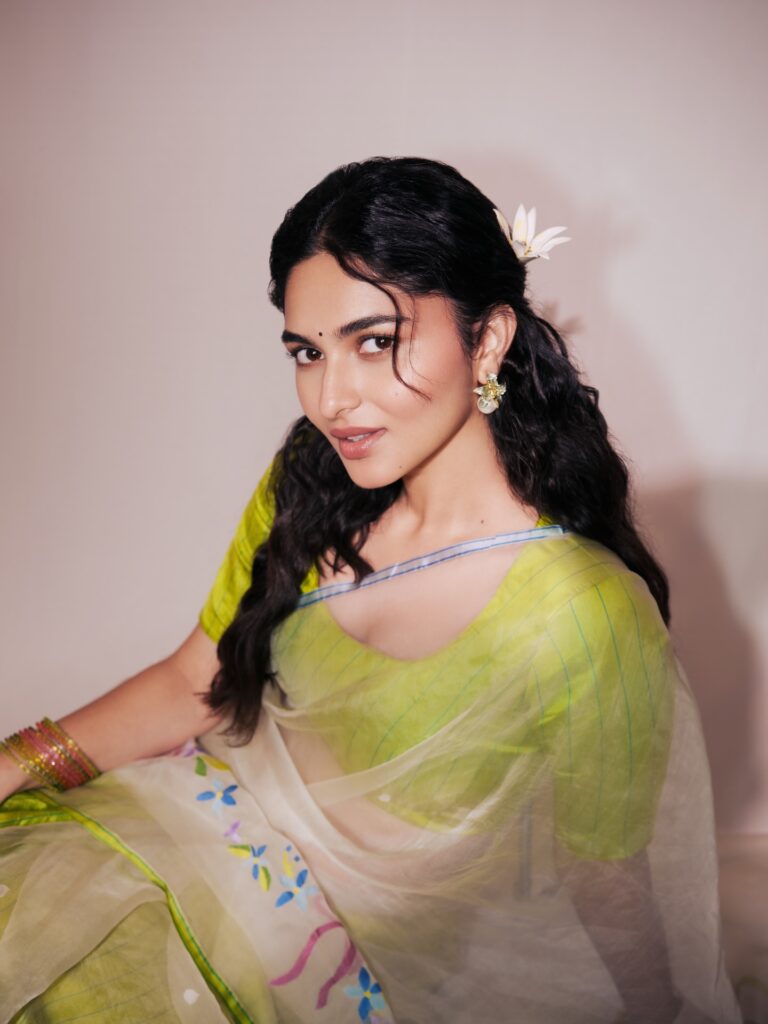
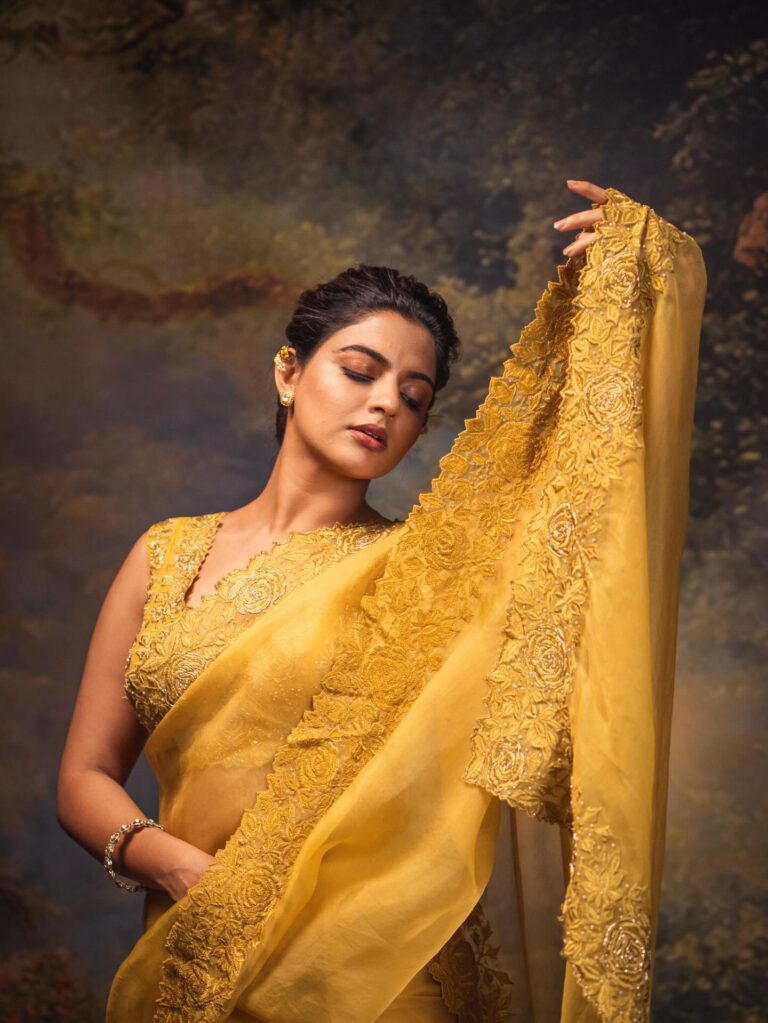
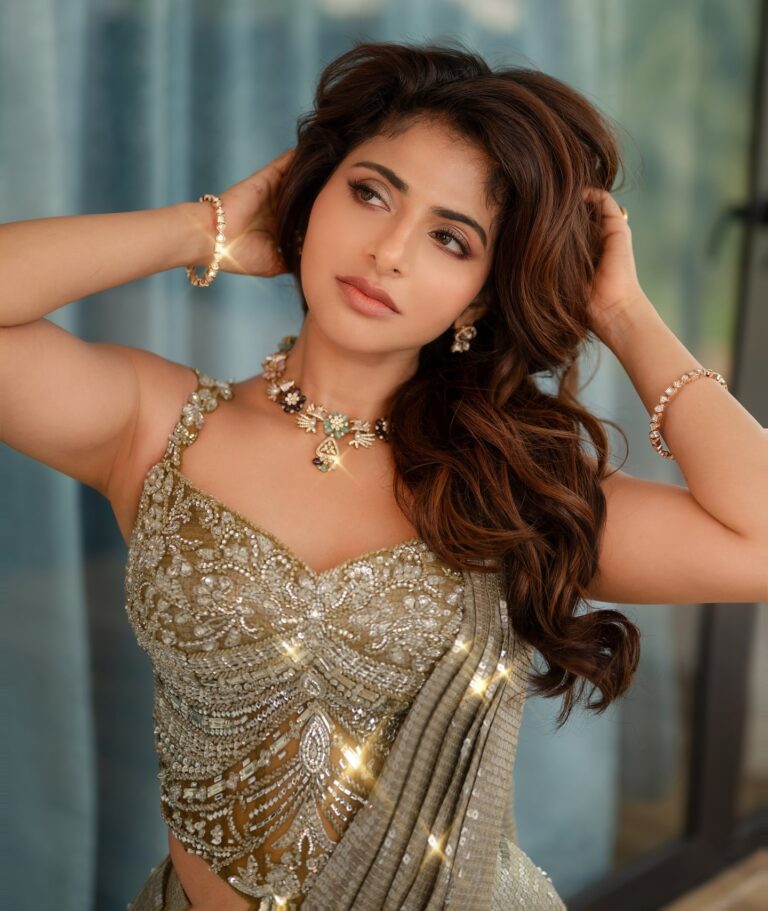
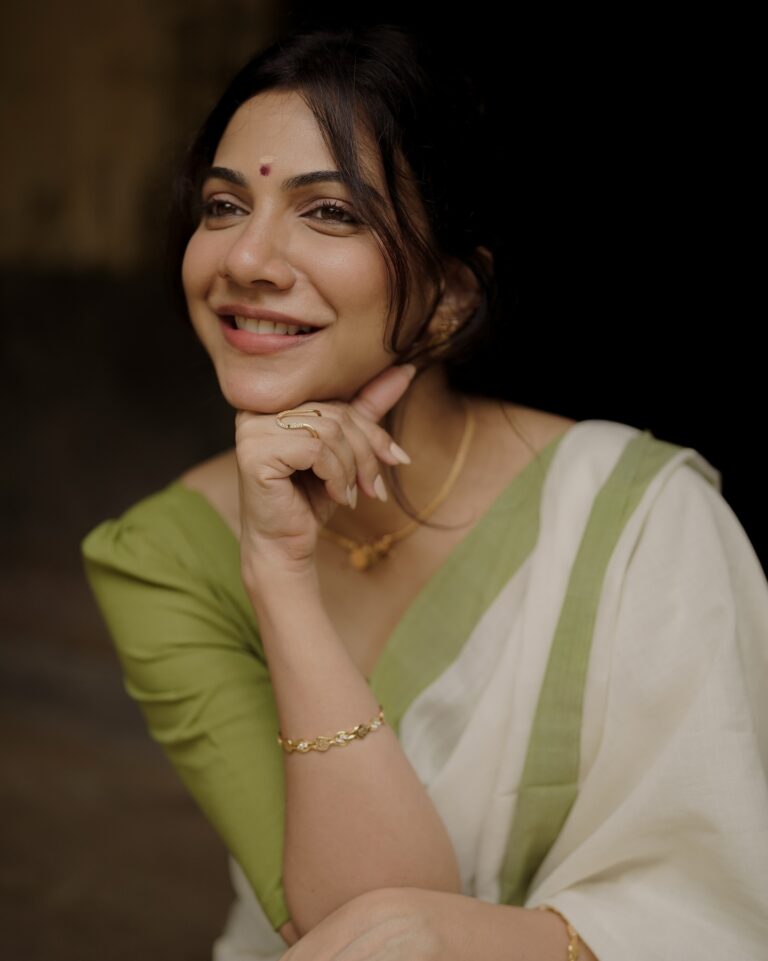
Banarasi dupattas instantly elevate any lehenga by combining heritage, elegance, and versatility. Learning how to wear Banarasi dupatta on lehenga involves selecting the right fabric, color, and draping style for the occasion. Popular drapes include classic shoulder, double dupatta bridal style, belted, and cape drapes. Proper styling ensures balance, highlights craftsmanship, and completes a regal look.
For anyone wondering how to wear Banarasi dupatta on lehenga, the experience can be both exciting and overwhelming. A Banarasi dupatta is more than just an accessory; it is a statement piece that transforms your outfit with its rich silk texture, intricate zari, and cultural heritage. WeaverStory curates handwoven, authentic Banarasi dupattas that reflect centuries of craftsmanship, making them perfect for weddings, festive occasions, or pre-wedding events. In this guide, we cover eight elegant draping styles, expert tips, and practical advice for making the most of your dupatta.
Why Banarasi Dupatta is the Ultimate Lehenga Upgrade
A Legacy of Craftsmanship from Banaras
Banarasi dupattas are handwoven using premium silk threads and detailed zari work inspired by Mughal motifs. Each piece can take weeks or even months to complete, showcasing the dedication of skilled artisans. Owning a Banarasi dupatta is like owning a piece of India’s rich textile heritage. When learning how to wear Banarasi dupatta on lehenga, understanding its craftsmanship allows you to highlight the intricate designs in the most flattering way.
From Bridal Wear to Modern Styling Essentials
Banarasi dupattas are versatile and suitable for a variety of lehenga styles
- For bridal lehengas, heavy, intricately designed Banarasi dupattas create a majestic wedding look
- Minimal or contemporary lehengas benefit from a lightweight or subtle Banarasi dupatta that adds sophistication without overwhelming the outfit
- Indo-fusion ensembles can be elevated with creative drapes, such as saree-style or belted draping, for a modern aesthetic
The “One Dupatta, Many Looks” Advantage
A single authentic Banarasi dupatta can be styled in multiple ways, making it a valuable wardrobe investment. This versatility is crucial when learning how to wear Banarasi dupatta on lehenga, as it allows the same piece to be adapted for weddings, pre-wedding events, or festive gatherings.
How to Choose the Right Banarasi Dupatta for Your Lehenga
When choosing a Banarasi dupatta, focus on fabric, color, and occasion
Fabric choices:
- Katan silk offers rich and structured elegance suitable for weddings and formal events
- Organza is lightweight and airy, perfect for modern receptions or minimalist styling
- Georgette provides flowy comfort, ideal for festive gatherings or pre-wedding events
Color pairing:
- Contrasting colors such as red with gold or ivory with emerald create bold, statement-making looks
- Monotone combinations enhance elegance and are ideal for subtle sophistication
Occasion considerations:
- Bridal events call for heavy zari and elaborate jangla designs
- Festive occasions can feature lighter meenakari work for ease of movement
Selecting the right combination ensures you drape your Banarasi dupatta effortlessly while showcasing its beauty, which is essential when figuring out how to wear Banarasi dupatta on lehenga effectively.
8 Elegant Draping Styles for Banarasi Dupatta
- Classic One-Side Shoulder Drape: This timeless style drapes the dupatta over one shoulder and allows it to fall naturally along the lehenga. It is effortless and perfect for weddings or receptions.
- Double Dupatta Bridal Style: One dupatta is draped over the head, and the second rests on the shoulder. This style creates a regal bridal look and emphasizes cultural richness.
- Front Pleated Style: The dupatta is pleated neatly in the front and tucked at the waist. This structured style is slimming and ideal for modern brides seeking a sophisticated aesthetic.
- Saree Style Draping: The Banarasi dupatta is draped like a saree pallu, flowing over the shoulder and across the torso. This Indo-fusion style works beautifully for receptions and cocktail events.
- Belted Dupatta Look: The dupatta is tucked and secured with a decorative belt around the waist. This adds definition, keeps the drape in place, and creates a trend-forward silhouette.
- Cape Style Draping: The dupatta is worn over both shoulders like a cape. This lightweight, contemporary style is perfect for mehendi or sangeet celebrations.
- Over-the-Head Traditional Drape: The dupatta covers the head and flows over the shoulders, symbolizing tradition and cultural significance. This style is ideal for ceremonies and formal rituals.
- Side-Swept Open Pallu: The dupatta is draped loosely across one shoulder, creating a relaxed and elegant look. Perfect for pre-wedding events or casual festive gatherings.
When experimenting with how to wear Banarasi dupatta on lehenga, practicing each drape ensures you choose the most flattering style for your body type and occasion.
Expert Styling Tips to Elevate Your Look
- Balance your lehenga with the weight of your dupatta. Heavy dupattas pair well with simpler lehengas, while lighter dupattas can complement elaborate outfits
- Highlight the borders and zari work prominently to draw attention to intricate craftsmanship
- Match jewelry with the drape style. Statement earrings pair well with classic drapes, while layered necklaces suit belted or saree-style drapes
- Hairstyling can enhance your overall look. Traditional buns complement ceremonial drapes, while soft waves pair beautifully with modern or cape styles
These tips are key to mastering how to wear Banarasi dupatta on lehenga gracefully.
Common Mistakes to Avoid
- Overcrowding the outfit with too much embroidery or embellishment
- Pairing heavy fabrics with flowy lehengas, which disrupts proportions
- Ignoring proper pleating or draping techniques
- Choosing styles that do not complement your body type or the occasion
Avoiding these mistakes ensures your Banarasi dupatta enhances your lehenga rather than overwhelming it.
Why Investing in an Authentic Banarasi Dupatta Matters
- Handloom versus powerloom: Only handwoven Banarasi dupattas reflect genuine craftsmanship and attention to detail
- Supporting sustainability and artisan communities: Purchasing authentic pieces directly impacts skilled weavers and promotes ethical practices
- Heirloom value: Authentic Banarasi dupattas can be cherished and passed down through generations, becoming family treasures
Understanding these factors is essential when learning how to wear Banarasi dupatta on lehenga, as authenticity enhances both style and heritage value.
Discover Handwoven Banarasi Dupattas by WeaverStory
Your lehenga deserves more than just a dupatta, it deserves a story. WeaverStory’s handwoven Banarasi dupattas are ethically crafted, versatile, and perfect for bridal, festive, or contemporary styling. Each piece reflects timeless craftsmanship, turning your outfit into an heirloom-ready ensemble.
Explore the collection and elevate your style with authenticity and elegance.
Frequently Asked Questions
Q1: How do I drape a Banarasi dupatta without using pins?
A: Pleat the dupatta neatly and tuck it securely at the waist or under the blouse. A decorative belt can also hold it in place, creating a polished look without pins.
Q2: Can a simple lehenga be paired with a Banarasi dupatta?
A: Yes, a Banarasi dupatta adds sophistication and texture to even the simplest lehenga, making the outfit look luxurious and complete.
Q3: Is it better to choose contrasting or monotone dupatta colors?
A: Contrasting colors make a bold fashion statement, while monotone combinations offer subtle elegance. The choice depends on the occasion and your personal style.
Q4: Will a heavy Banarasi dupatta overwhelm a petite frame?
A: Not if styled carefully. Opt for pleated or belted drapes that maintain proportion and highlight the fabric without adding bulk.
Q5: What fabrics are best for bridal versus festive occasions?
A: Heavy Katan silk and zari are ideal for bridal events, while organza and georgette work best for festive gatherings or casual pre-wedding ceremonies.
Q6: Why should I invest in a handwoven Banarasi dupatta?
A: Handwoven dupattas reflect intricate craftsmanship, support ethical artisan practices, and provide heirloom-quality pieces that last generations.
Q7: How many dupattas should I wear with a lehenga?
A: One is sufficient for most events, but bridal ensembles can include two dupattas for a layered, regal look.
Q8: Can Banarasi dupattas be styled for modern receptions?
A: Yes, drapes such as belted, cape, or saree-style are perfect for contemporary receptions, blending traditional weaving with modern fashion aesthetics.
About the Author