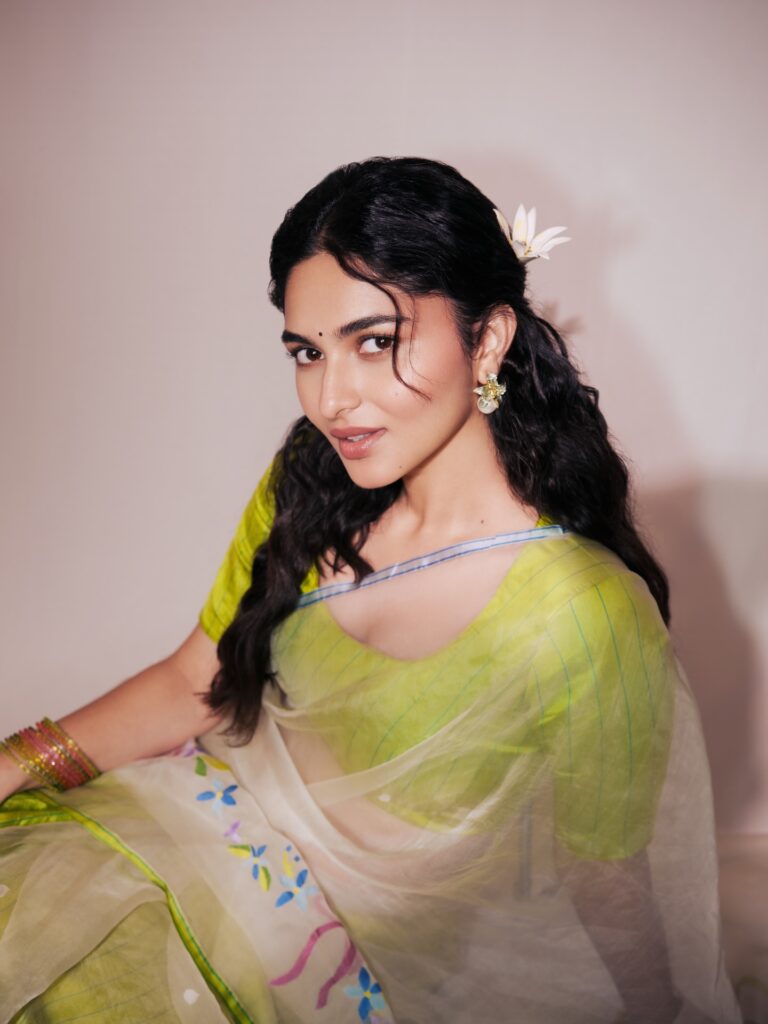
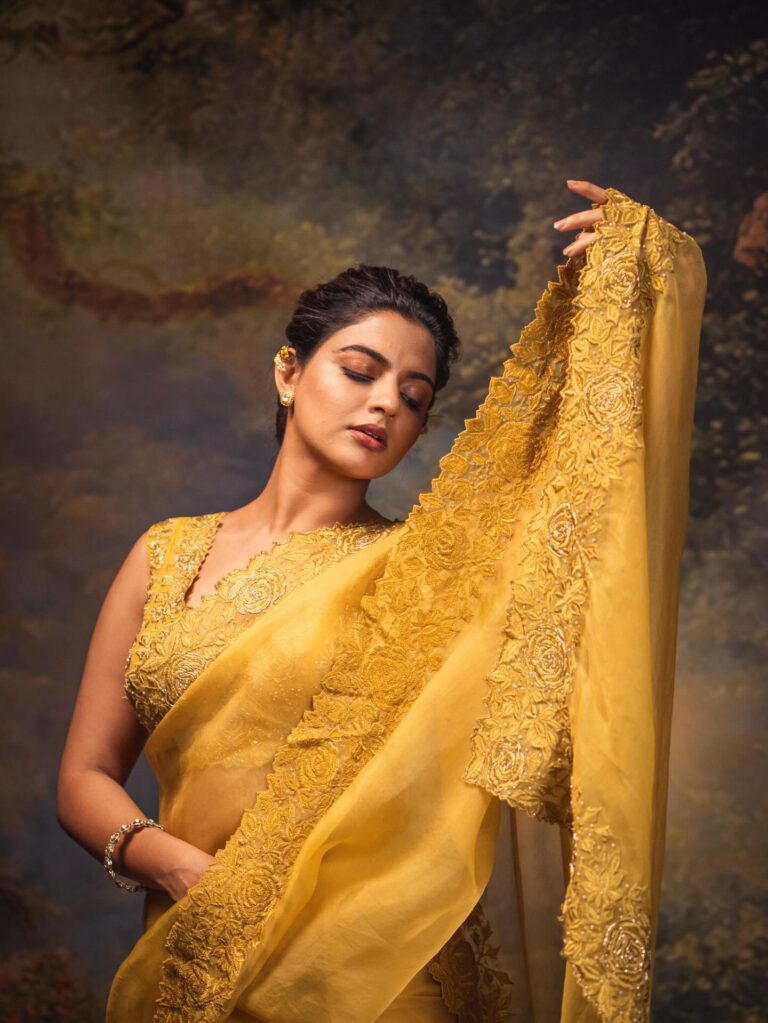
The saree is no longer just a six-yard tradition. It is a global fashion statement – and Sudathi has always known this.
Walk into any major runway show in Milan, Paris, or New York over the past few years, and you will notice something interesting.
Drapes, pleats, and fabric-first silhouettes that were once distinctly Indian are now appearing in collections from luxury houses and high-street brands alike.
The influence is subtle in some places, unmistakable in others, but the thread connecting East and West has never been more visible.
This is not a passing trend. It is a cultural shift in how the world views Indian textiles and draping techniques.
What began with Indian designers building global recognition has now evolved into Western fashion actively borrowing from the saree aesthetic, reimagining it for modern wardrobes across continents.
How Indian drapes are reshaping Western silhouettes
The Return of the Drape
Western fashion has long relied on structured cuts and tailored pieces. But the ease and elegance of draped garments have been making a strong comeback. Cowl necks, bias-cut dresses, and wrap-style tunics all carry the DNA of Indian draping techniques.
Designers are increasingly prioritizing fabric flow over rigid construction, and the saree’s influence is evident in how fluid silhouettes have taken over both evening wear and ready-to-wear lines.
The concept of a single piece of fabric creating an entire outfit resonates with the contemporary need for versatile, minimalist dressing.
Pleats as a Design Feature
In Indian draping, pleats are both functional and decorative. The neat box pleats at the waist, the graceful fall of the pallu, the origami-like precision of a dhoti drape – all of these have become design inspirations for Western garments.
You will now find architectural pleating in gowns, midi skirts, and even tailored jackets that draw directly from traditional Indian pleating techniques.
What makes this shift significant is how Western designers are moving beyond superficial borrowing – they are studying the structure, understanding the math behind the drape, and applying those principles to create new forms.
Fabric-First Thinking
Indian clothing has always prioritized the fabric itself – the weave, the texture, the story behind the material. Block prints, zari work, handloom cotton, silk brocades are not just textiles, they are craft histories.
Western brands are now embracing this fabric-first philosophy, moving away from synthetic-heavy collections and toward handwoven materials, natural fibers, and textiles with heritage value.
This change is visible in the luxury segment, where Indian-origin fabrics like Banarasi silk, Kanjivaram silk, and handloom cotton are being incorporated into Western gowns, blazers, and resort wear.
The Oversized Pallu Moment
One of the most recognizable styling shifts is the oversized or trailing pallu effect. What was once a functional part of saree draping has become a statement element in Western fashion.
From off-shoulder draped capes to flowing fabric trains on evening wear, the pallu aesthetic has been reimagined in countless ways.
This is perhaps the most visible example of cultural fashion exchange – a detail rooted in Indian tradition now appearing on red carpets and editorial shoots worldwide.
Why This Matters for the Modern Indian Wardrobe
When global fashion embraces Indian draping, it validates what Indian women have known for generations – that the six-yard drape is extraordinarily versatile, elegant, and time.
It also creates a unique opportunity for brands like Sudathi, which have spent years perfecting the art of the saree, to lead the conversation.
A Global Validation of Indian Craft
Sudathi’s collections – whether it is the intricate Banarasi sarees that carry centuries of Varanasi weaving tradition or the rich, sculptural beauty of Kanjivaram silk – represent the authentic roots of this global influence.
While the world is discovering the beauty of Indian drapes, Sudathi has been perfecting them, offering sarees that carry the same craftsmanship that now inspires international runways.
Preservation Over Adaptation
The difference is this: when Western designers take inspiration, they adapt. When Sudathi creates, it preserves. That preservation matters, especially as global interest in Indian textiles continues to grow.
From Runway Inspiration to Everyday Elegance
The good news is that this fashion exchange goes both ways. As Western designers explore draped silhouettes, Indian women are also embracing new ways to style their traditional wear.
The modern Indian woman wears a Banarasi saree to a cocktail event, styles a Kanjivaram with sneakers for a brunch, or experiments with pre-draped sarees for quick, elegant outfits.
At Sudathi, this evolution is reflected in the range of offerings, from handloom classics that honor tradition to ready-to-wear options designed for contemporary lifestyles.
The brand understands that the global fascination with Indian drapes is not about replacing tradition, but about making it accessible, adaptable, and relevant to every generation.
What to Watch For
The influence of Indian draping on Western fashion is likely to deepen rather than fade.
As sustainability and craftsmanship become central to fashion conversations, the handwoven, fabric-first approach of Indian textiles will only grow in value.
Expect to see more Western brands collaborating with Indian weavers, more runway collections featuring Indian draping techniques, and more global recognition of the six-yard saree as a design masterpiece.
For those who have always cherished the saree, this is a moment of affirmation.
The drape you grew up with is not just culturally significant, it is globally influential. And brands like Sudathi continue to ensure that this legacy is not just preserved, but celebrated.
About the Author