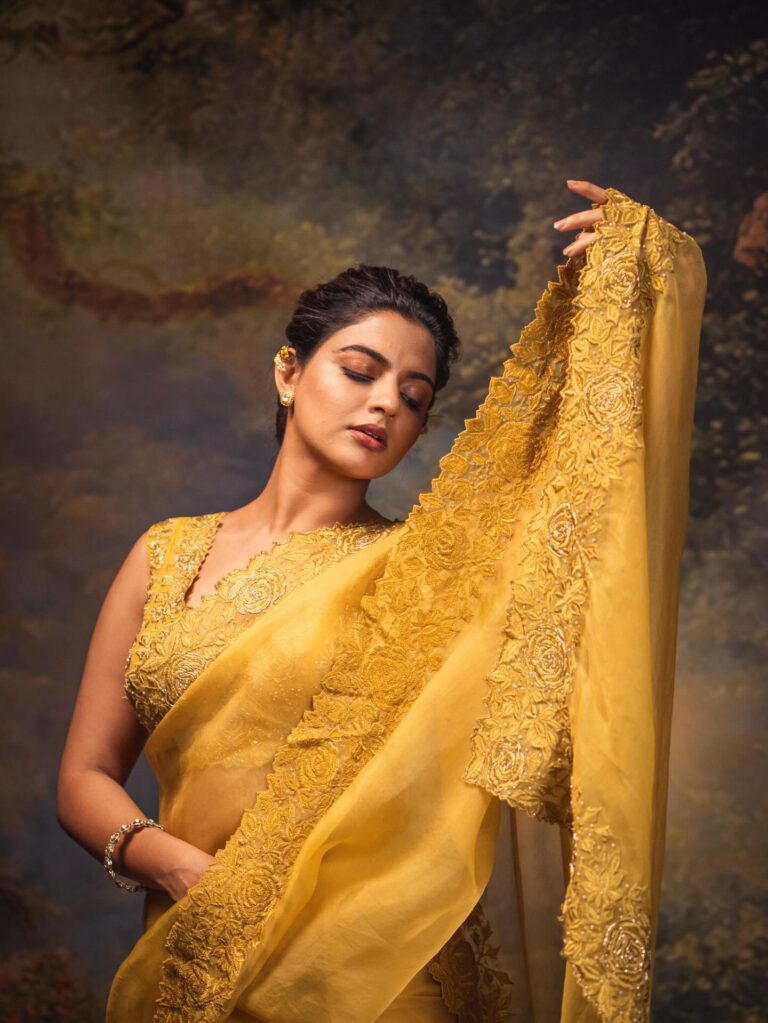
The saree has always been India’s most elegant draped silhouette—but let’s be honest, not all of us have 45 minutes to perfect a pleat before rushing out the door. Enter ready-to-wear (RTW) sarees: the innovation solving this exact problem. Pre-stitched with pleats and pallu attached, these sarees let you achieve the traditional look in under five minutes.
At Sudathi, we’ve watched this category grow from a niche experiment to one of our most requested collections. Whether you’re a working professional juggling meetings or someone who loves sarees but dreads the draping process, RTW sarees offer a compelling middle ground. But they aren’t a universal solution. Let’s break down the real pros and cons so you can decide if they’re worth a spot in your wardrobe.
What Exactly Is a Ready-to-Wear Saree?
A ready-to-wear saree comes pre-stitched with the pleats stitched into place and the pallu (the loose end of the drape) attached or pre-arranged. You essentially slip it on like a gown, adjust the waist or hook, and you’re dressed. No pleating, no safety pins, no practice required.
This is fundamentally different from a traditional unstitched saree, which requires you to drape it from scratch every single time. The RTW version is designed for women who want the elegance of a saree without the time investment. It’s become especially popular among first-time saree wearers, busy professionals, and anyone who loves the look but dislikes the lengthy draping process.
The Pros: Why Women Are Making the Switch
Time-Saving: The most obvious advantage is speed. What used to take 30-45 minutes now takes 2-5. This alone has made RTW sarees a favorite among women with packed schedules who still want to wear traditional attire for festivals, office events, or family gatherings.
Beginner-Friendly: If you’ve never worn a saree before or struggled with draping, RTW versions eliminate the learning curve entirely. You get the same elegant silhouette without any technical skill required.
Consistent Look: Pre-stitched pleats mean every drape looks polished and symmetrical. There’s no risk of uneven pleats or a pallu that keeps slipping—and you get that perfectly put-together appearance every single time.
Comfortable Fit: Many RTW sarees come with attached blouses or built-in waistbands that sit comfortably without the bulk of traditional petticoats. Some even feature internal pockets or adjustable hooks, making them genuinely comfortable for long wear.
Travel-Friendly: Unlike unstitched sarees that wrinkle and need re-draping, RTW versions hold their shape. You can pack them in a suitcase, wear them straight off the rack, and they look freshly draped.
The Cons: What to Consider Before Buying
Limited Customization: Once pre-stitched, the fit is fixed. You can’t adjust the pleat width or pallu drape the way you would with a traditional saree. If you prefer a specific draping style—like the north Indian seedha palla or the south Indian style—RTW may feel restrictive.
Style Constraints: The pre-stitched nature means you’re locked into one silhouette. Some women enjoy the creativity of draping a saree differently for each occasion; that creative freedom disappears with RTW.
Size Flexibility: RTW sarees typically come in standard sizes. If you’re between sizes or prefer a specific fit, you might find the sizing less accommodating than a custom-draped saree.
Perceived Authenticity: For purists who view draping as an integral part of the saree tradition, RTW versions may feel less “authentic” or ceremonial—though this is entirely personal.
When to Choose Ready-to-Wear Sarees
RTW sarees shine brightest in specific scenarios: office events where you need to dress up quickly without sacrificing professionalism, daytime festivals and poojas where comfort matters, travel situations where you want fuss-free attire, and as gateway pieces for first-time saree wearers building confidence. They’re also excellent for mothers or older relatives who may find traditional draping physically challenging but still want to participate in traditional celebrations.
At Sudathi, our RTW collection includes cotton options for everyday comfort, georgette and chiffon for party wear, and silk blends for festive occasions—each designed to balance ease with elegance.
When to Stick with Traditional Sarees
Traditional unstitched sarees remain the better choice if you love experimenting with different draping styles, need custom tailoring for a perfect fit, are attending a highly formal or ceremonial event where the drape carries cultural significance, or simply enjoy the meditative ritual of draping yourself.
The Verdict: Are They Worth It?
Ready-to-wear sarees aren’t here to replace traditional draping—they’re here to make sarees more accessible. If convenience matters to you, they’re absolutely worth trying. Start with an everyday cotton RTW for festivals, then graduate to silk RTW for weddings and parties. At Sudathi, we believe every woman deserves to wear a saree without hesitation, and RTW is one of the easiest ways to make that happen.
Frequently Asked Questions
Are ready-to-wear sarees worth it?
Yes, they save draping time and offer instant style—perfect for busy women who want traditional elegance without the effort.
How long does it take to wear a ready-to-wear saree?
Just 2-5 minutes! Just slip it on like a gown—no pleating or pinning needed.
Can ready-to-wear sarees be worn for formal occasions?
Absolutely. Choose silk or georgette RTW sarees for weddings, parties, and corporate events.
What’s the difference between RTW and regular sarees?
RTW sarees come pre-stitched with pleats and pallu attached; regular sarees need manual draping every time.
Are RTW sarees comfortable for all-day wear?
Yes, especially cotton and linen RTW options—they’re breathable, lightweight, and perfect for long events.
About the Author