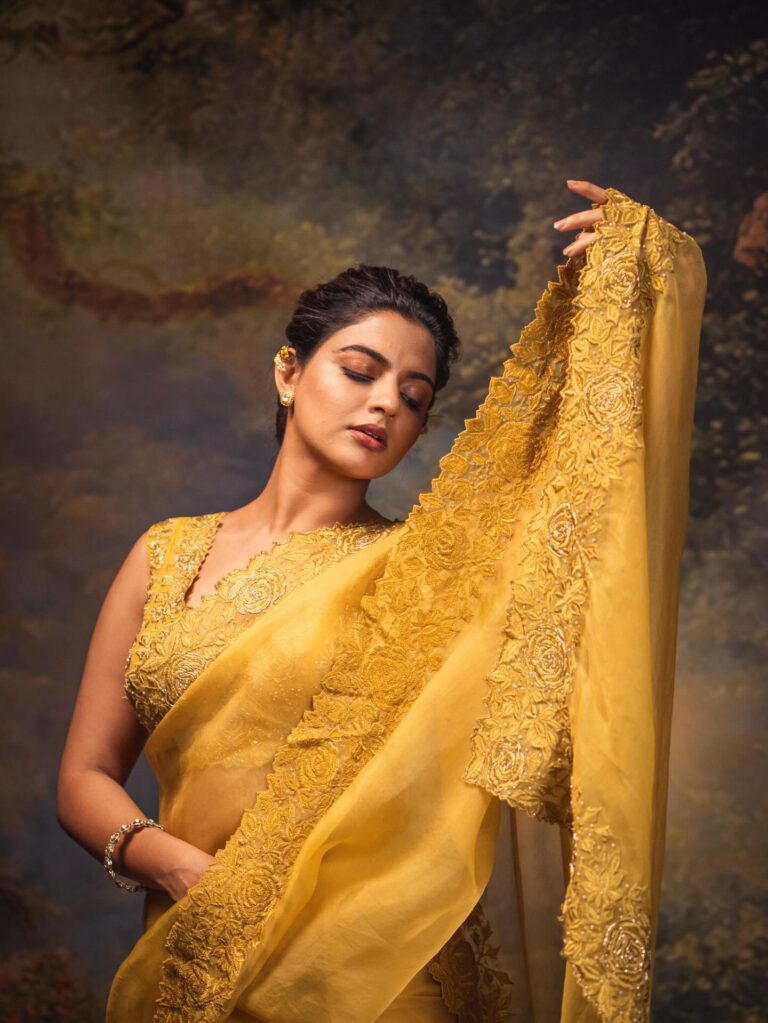
When buying a saree, most people first notice the colour, design, or border. But experienced saree wearers know that the real quality of a saree lies in its material.
So, which saree material is the best?
The answer depends less on trends and more on comfort, breathability, durability, and how the saree is woven. In this blog, we explore why handloom sarees made from pure natural fibres are far superior to polyester and synthetic alternatives—and why fabric often matters more than design.
Why Saree Material Is More Important Than Design
Design can be replicated.
Material cannot.
A beautifully designed saree made from poor-quality fabric will:
-
Feel uncomfortable after a few hours
-
Trap heat and sweat
-
Lose shape and texture quickly
On the other hand, a simple handloom saree made from pure natural material will:
-
Drape better on the body
-
Feel lighter and more breathable
-
Last for decades with proper care
This is why saree material plays a critical role in how often you actually wear the saree, not just how it looks in photos.
Best Saree Materials: Natural Fibres vs Polyester
Handloom Cotton Sarees
Best for: Everyday wear, Indian climate, sensitive skin
Handloom cotton sarees are among the best saree materials for daily and work wear. They are:
-
Highly breathable
-
Skin-friendly
-
Soft and comfortable
-
Long-lasting
Unlike polyester cotton blends, pure handloom cotton absorbs moisture and allows airflow, making it ideal for tropical weather.
Pure Silk Sarees (Handloom)
Best for: Weddings, festive wear, heirloom pieces
Pure silk sarees—such as Mulberry silk, Tussar silk, Eri silk, and Muga silk—are natural protein fibres that:
-
Regulate body temperature
-
Age beautifully over time
-
Have a natural, subtle sheen
Handloom silk sarees are not only luxurious but also investment pieces that can be worn and passed down generations.
Linen, Wool & Other Natural Saree Fabrics
Best for: Sustainable wardrobes, comfort-first dressing
Natural fabrics like linen and wool:
-
Allow excellent airflow
-
Are biodegradable and eco-friendly
-
Cause less irritation and static
These materials are increasingly popular among women looking for sustainable saree fabrics.
Why Polyester Sarees Fall Short
Polyester sarees may look shiny and attractive initially, but they come with several drawbacks:
-
Poor breathability
-
Heat retention
-
Uncomfortable for long wear
-
Non-biodegradable and harmful to the environment
Most importantly, polyester sarees lack the drape and softness that natural fibres develop over time.
This is why polyester sarees are often worn once or twice, while handloom sarees become wardrobe staples.
Handloom Sarees: Where Material Meets Craft
Handloom weaving is not just about design—it is about understanding yarn behaviour.
Master weavers adjust:
-
Yarn tension
-
Weave density
-
Fabric weight
based on the material being used. This is why handloom sarees in pure natural fibres feel fundamentally different from mill-made or powerloom sarees.
When you buy a handloom saree, you are investing in:
-
Authentic craftsmanship
-
Natural materials
-
Ethical and sustainable fashion
So, Which Saree Material Is the Best?
There is no one-size-fits-all answer, but there is a clear hierarchy.
The best saree material is one that is:
-
Made from pure natural fibres
-
Handloom woven
-
Comfortable for long wear
-
Suitable for your climate and lifestyle
In most cases, handloom cotton and pure handloom silk outperform synthetic fabrics in every meaningful way.
Final Thoughts: Choose Fabric Before Fashion
Trends change.
Designs fade.
Material stays.
Before buying your next saree, ask:
Is this made from a pure natural fibre?
Is it handloom?
Because a saree that feels good on your body will always look better—no matter how simple the design.
About the Author