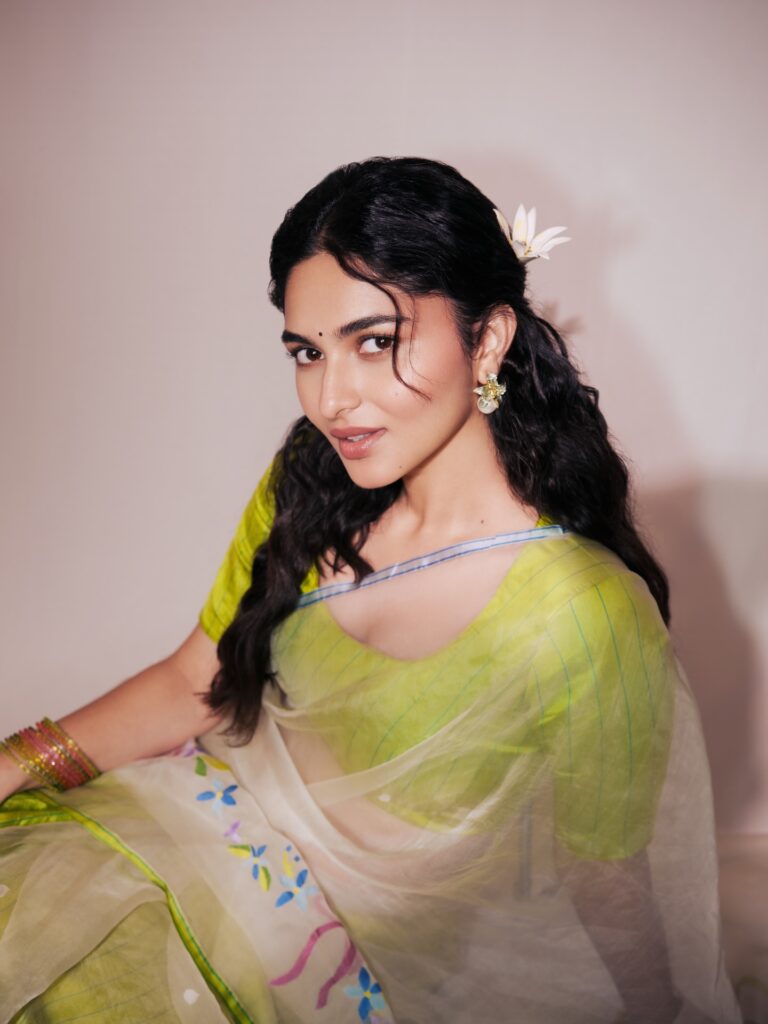
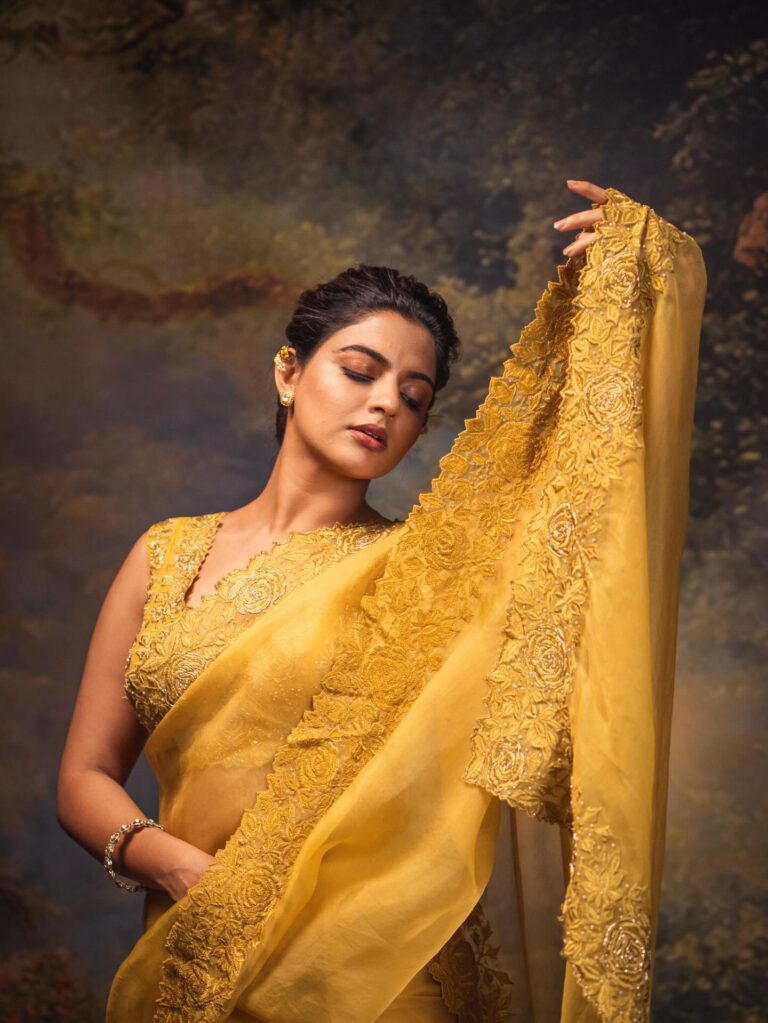
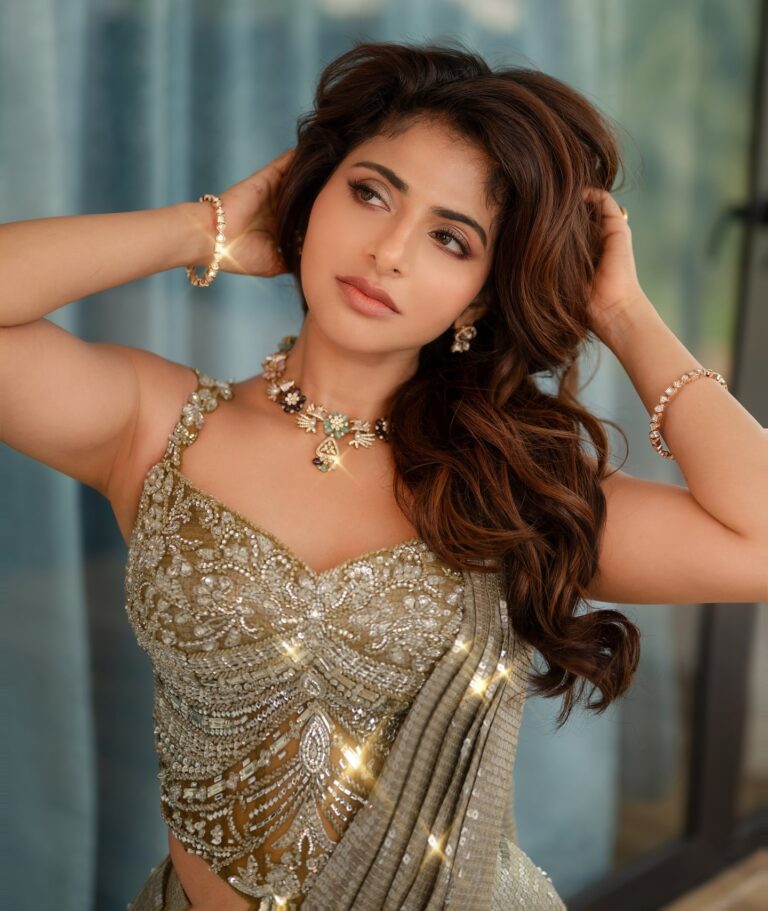
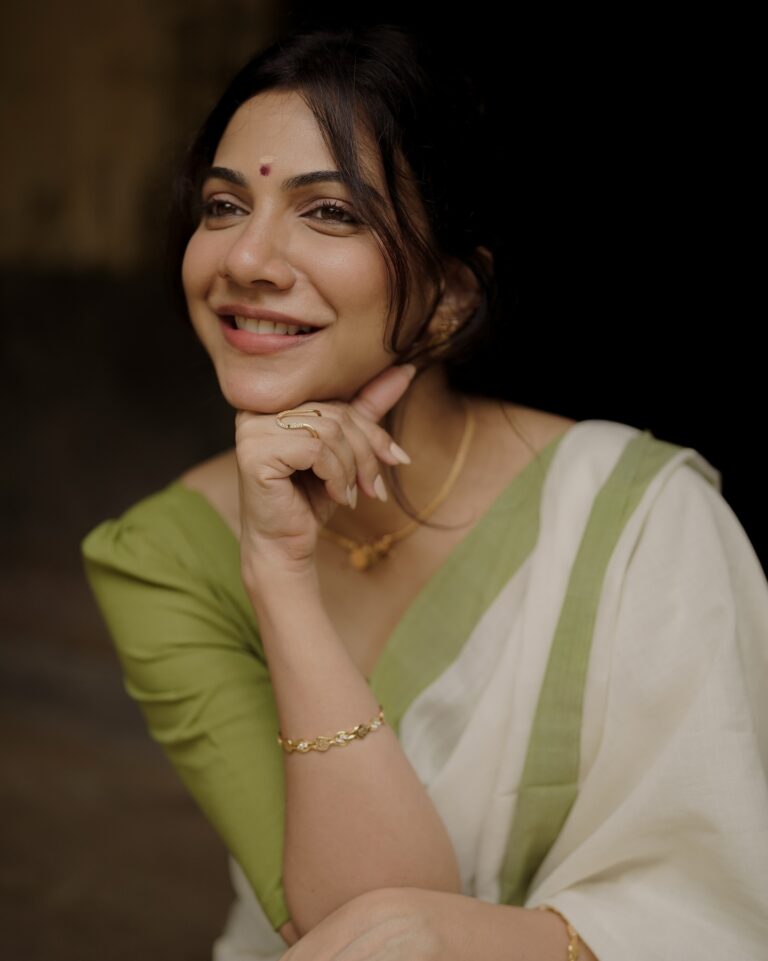
Learning how to wear dupatta on lehenga is essential for creating a balanced, elegant, and culturally authentic look. The right draping technique enhances your silhouette, complements the embroidery and fabric of the lehenga, and elevates your overall style. Handwoven dupattas add richness, heritage, and a luxurious finish to any outfit.
The dupatta is the crown jewel of a lehenga, instantly transforming its appearance from ordinary to extraordinary. Knowing how to wear dupatta on lehenga not only ensures your outfit looks elegant but also reflects your personal style and cultural appreciation. Using handwoven fabrics, crafted by skilled artisans, brings a sense of authenticity, quality, and artistry that modern machine-made dupattas cannot replicate. WeaverStory celebrates these textiles, helping you find the perfect dupatta that elevates your lehenga styling. Whether for weddings, receptions, or festive occasions, mastering dupatta drapes will define your outfit.
Why Dupatta Draping Matters in a Lehenga Look
The Role of Dupatta in Indian Occasion Wear
A dupatta is not just an accessory; it is an essential piece of Indian occasion wear. It carries cultural significance, often symbolizing modesty, respect, and tradition. In bridal attire, a dupatta over the head marks auspiciousness and grace, while in festive wear, flowing or side-swept styles communicate freedom and elegance. Understanding how to wear dupatta on lehenga correctly allows you to balance tradition with modern style.
How the Right Drape Transforms Your Silhouette
The way a dupatta is draped can completely change the way a lehenga fits and flows.
- Adds height and elongates the body
- Balances heavily embroidered or voluminous lehengas
- Introduces movement, making your outfit feel light and elegant
- Highlights intricate embroidery or handwoven details
Even a simple lehenga gains sophistication when paired with a carefully chosen draping style.
How to Choose the Right Dupatta Before Draping
Selecting the Ideal Fabric
When mastering how to wear dupatta on lehenga, fabric choice is pivotal.
- Silk and brocade bring structure for formal pleated or layered drapes.
- Organza and net add soft movement for festive or reception styles.
- Chiffon and georgette float around the body for effortless grace.
Handwoven fabrics crafted by artisans add depth, texture, and authenticity that elevate every drape.
Dupatta Length, Border, and Embroidery
Consider the following when selecting a dupatta:
- Long dupattas are ideal for double draping, over-the-head bridal styles, or dramatic trails
- Heavy embroidered borders create a structured look suitable for weddings
- Light borders or delicate embroidery work best with flowy drapes for minimalistic elegance
Matching Dupatta with Occasion
- Bridal: Traditional over-the-head drapes or double dupatta styles
- Mehendi: Soft, open, or side-swept drapes for comfort and ease
- Cocktail or Reception: Belted, cape, or scarf-style drapes for modern elegance
15 Stunning Ways to Wear Dupatta on Lehenga
1. Classic Over-the-Head Bridal Drape
This timeless style places the dupatta over the head, symbolizing tradition and grace. It is perfect for brides making a ceremonial entrance.
2. One-Shoulder Pleated Dupatta Style
Draped neatly over one shoulder, this style is clean, modern, and ideal for structured lehengas.
3. Double Dupatta Style
One dupatta over the head and another across the shoulder creates a regal, luxurious bridal look.
4. Saree Style Dupatta Draping
Mimics a saree pallu, blending traditional and fusion styling. It is excellent for women who want a creative twist.
5. Belted Dupatta Drape
The dupatta is pleated and secured with a belt at the waist, giving structure and keeping the fabric in place during movement.
6. Cape Style Dupatta
Draped like a cape over the shoulders, this style adds drama and a modern bridal touch.
7. Side-Swept Open Dupatta
A soft, flowing drape over one shoulder creates an effortless and elegant appearance.
8. Front Pallu Dupatta Style
The dupatta hangs over one shoulder and falls in front, creating a slimming vertical line and showcasing embroidery.
9. Gujarati Style Dupatta Draping
Crosses the torso and flows over the opposite shoulder, perfect for festive occasions and cultural events.
10. Dupatta Draped Like a Jacket
The dupatta is draped over both shoulders like a jacket, creating a structured, Indo-western look.
11. Lehenga with Dupatta on Both Arms
Dupattas on each arm create a balanced, symmetrical, and royal appearance.
12. Dupatta Around Neck (Scarf Style)
Draped like a scarf, this minimalist style suits cocktail parties and semi-formal events.
13. Dupatta with Long Trail
This style creates a dramatic entrance for brides and is best with heavy embroidery and luxurious fabrics.
14. Pleated Front + Open Back Style
Balanced and elegant, with the front neatly pleated and the back flowing freely. Suitable for both heavy and light lehengas.
15. Dupatta with Corset Belt
Combines structure with style. The corset belt keeps the dupatta in place, perfect for Indo-western fusion looks.
Step-by-Step Guide: How to Secure Your Dupatta Perfectly
Pinning Techniques for Different Fabrics
- Use small, transparent safety pins for net or chiffon
- Use stronger metal pins for silk or brocade
- Place pins at key pleats and corners to maintain shape
How to Avoid Slipping Dupattas
- Secure the dupatta first at the shoulder
- Try belt styles for long events
- Avoid heavy drapes with slippery fabrics
Pro Styling Tips Used by Bridal Stylists
- Pleat lightly at the shoulder for soft volume
- Pin away from delicate embroidery to prevent damage
- Choose structured fabrics for stability during long ceremonies
Expert Styling Tips to Elevate Your Dupatta Look
- Match the dupatta embroidery with your blouse or lehenga
- Experiment with contrast colors to create a visual impact
- Always opt for handwoven dupattas for texture and authenticity
- Avoid excessive layering to maintain elegance
Handloom dupattas crafted by skilled artisans offer unmatched richness and intrinsic value, ensuring your outfit feels meaningful as well as beautiful.
Common Dupatta Draping Mistakes to Avoid
- Using too many pins, creating a stiff look
- Choosing the wrong fabric for the intended drape
- Ignoring body type, resulting in disproportionate styling
- Overpowering the lehenga, overshadowing its embroidery
Correctly learning how to wear dupatta on lehenga ensures a flawless look that highlights both the wearer and the craftsmanship of the fabric.
Trending Dupatta Draping Styles in 2026
- Minimal drapes for contemporary weddings
- Belted styles for elegance and security
- Lightweight fabrics like organza and chiffon for soft flow
- Revival of heritage weaves to celebrate craftsmanship
Why Handwoven Dupattas Make All the Difference
Craftsmanship vs Mass Production
Handwoven dupattas offer texture, richness, and authenticity that mass-produced fabrics cannot replicate. Every fold tells a story, and every weave reflects heritage artistry.
Supporting Indian Artisans Through Fashion
Purchasing handwoven dupattas supports artisan communities and ensures preservation of traditional weaving techniques. Brands like WeaverStory connect you directly with these artisans, ensuring quality, authenticity, and heirloom-worthy pieces.
Celebrate Heritage with WeaverStory
If you want the perfect foundation for how to wear dupatta on lehenga, explore the exquisite handwoven dupatta collections at WeaverStory. Their curated range includes Banarasi silk, Chanderi organza, and richly embroidered dupattas crafted by skilled weavers using age‑old techniques. Each piece reflects rich Indian textile heritage and authentic craftsmanship, offering both timeless style and contemporary relevance. By choosing WeaverStory dupattas you are embracing the legacy of generations of artisans while elevating your own wardrobe with heirloom‑worthy textiles.
Final Thoughts: Finding Your Signature Dupatta Style
Mastering how to wear dupatta on lehenga allows you to express personal style while honoring tradition. Experiment with drapes, fabrics, and lengths until you find your signature look. A thoughtfully draped dupatta can transform any lehenga into a statement piece, showcasing elegance, heritage, and artistry.
Frequently Asked Questions
Q1. How can I drape a dupatta without using pins?
You can drape your dupatta by folding it neatly and using the belt method. Structured fabrics like silk and organza naturally stay in place without heavy pinning.
Q2. Can a single lehenga have multiple dupatta styles?
Absolutely. By changing the drape to one-shoulder, side-swept, or belted styles, you can transform the same lehenga into different looks for different occasions.
Q3. Is a light chiffon dupatta suitable for weddings?
Yes, lightweight fabrics like chiffon or net are excellent for Mehendi or reception events. For formal bridal ceremonies, heavier silk or embroidered fabrics are recommended.
Q4. Will handwoven dupattas really improve my outfit?
Yes. Handwoven dupattas add texture, authenticity, and visual richness, enhancing your lehenga and making even simple drapes appear luxurious.
Q5. What is the most popular bridal dupatta style?
The classic over-the-head drape and double dupatta styles are traditional favorites for brides, offering a regal and elegant appearance.
Q6. Why does the fabric choice matter when draping a dupatta?
Fabric determines structure, flow, and comfort. Heavy fabrics hold pleats well, while light fabrics create a graceful, flowing look. Choosing the right fabric ensures elegance and stability.
Q7. How long should my dupatta be for lehenga draping?
Generally, 2.5 to 3 meters is ideal, giving enough length for pleats, double draping, or dramatic trails.
Q8. Can men wear a dupatta with traditional outfits?
Yes. Stoles or scarves styled similarly to dupattas can complement men’s sherwanis or bandhgalas, providing a cohesive and traditional look.
About the Author