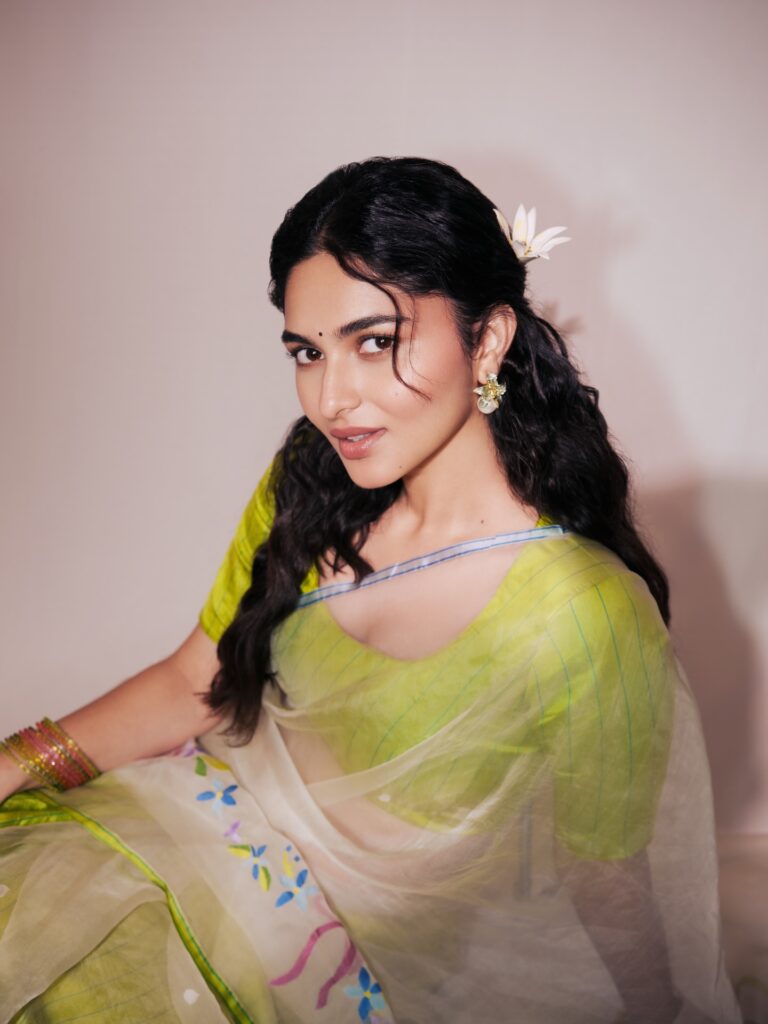
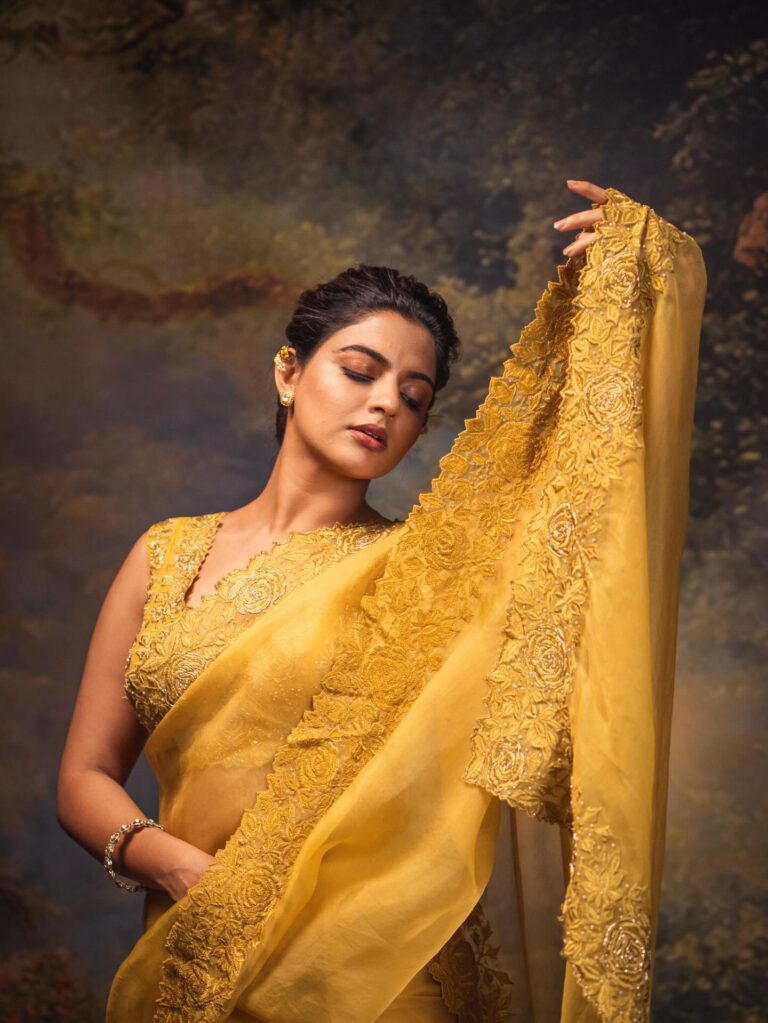
Silk sarees are traditional Indian garments made from pure or blended silk, often handwoven by skilled artisans. The main types of silk sarees include Banarasi, Kanjeevaram, Chanderi, Patola, Mysore, Baluchari, Tussar, Organza, Paithani, Assam Muga, Bhagalpuri, and Kosa. Each saree reflects India’s rich cultural heritage and intricate craftsmanship.
Silk sarees are not just garments; they are living heirlooms, embodying centuries of Indian artistry and tradition. Every Indian wardrobe treasures at least one silk saree, often reserved for weddings, festivals, and special occasions. At WeaverStory, each piece is handwoven by skilled artisans, ensuring authenticity and preserving the heritage of Indian weaving.
Understanding the types of silk sarees helps buyers select authentic pieces that reflect personal style, region-specific artistry, and cultural significance. From the luxurious Banarasi to the minimalist Mysore silk, each type carries its unique charm, texture, and story.
What Makes Silk Sarees Special? (Understanding the Craft)
Silk sarees are celebrated for their elegance, longevity, and intricate craftsmanship. Their uniqueness lies in the handloom process, the natural fibers, detailed zari work, and regional motifs that define each weave. Handcrafted silk sarees are an investment in both style and heritage.
- Pure Silk vs Blended Silk: Pure silk has a natural luster, smooth texture, and high durability. Blended silk combines silk with cotton or synthetic fibers, offering lighter weight, affordability, and versatility.
- Handloom vs Powerloom: Handloom silk sarees are woven manually by skilled artisans on traditional looms, often taking weeks or months. Minor irregularities in weave are a mark of authenticity. Powerloom sarees are machine-made and lack the cultural and artisanal value of handloom silk.
- Role of Zari, Motifs, and Techniques: Zari is a metallic thread that adds shimmer to silk sarees. Motifs, whether floral, geometric, or mythological, reflect regional artistry. Traditional weaving techniques like double ikat, tapestry weaving, and other handloom methods distinguish each type of silk saree and add to its uniqueness.
12 Types of Silk Sarees You Should Know
India’s rich weaving heritage is reflected in its types of silk sarees, each representing a distinct region, culture, and artisanal skill. Understanding these types helps appreciate their craftsmanship and select the right saree for every occasion.
Banarasi Silk Saree
Hailing from Varanasi, Banarasi silk sarees are synonymous with grandeur and opulence. These sarees feature intricate zari work and Mughal-inspired floral and foliate motifs. They are often handwoven on traditional looms by master artisans, sometimes taking weeks to complete a single piece. Ideal for weddings, Banarasi sarees are cherished as heirloom pieces passed through generations.
Explore timeless designs in the Banarasi saree collectionor discover lighter textures like Banarasi georgette sarees.
Kanjeevaram Silk Saree
Kanjeevaram silk originates from Tamil Nadu and is known for its heavy silk fabric and vibrant, contrasting borders. Traditional motifs include temple patterns, checks, and stripes. These sarees are perfect for bridal wear, festive events, and special ceremonies, showcasing durability and timeless elegance. Handloom weaving ensures each saree is unique and culturally rich.
Chanderi Silk Saree
Lightweight and delicate, Chanderi silk from Madhya Pradesh is favored for its airy texture and subtle shine. These sarees are often embellished with gold or silver zari, making them perfect for daytime events, summer weddings, and cultural gatherings. Chanderi sarees are part of the artisanal tradition that values elegance with comfort.
Patola Silk Saree
Patola sarees from Gujarat are among the most intricate of all types of silk sarees. Woven using the double ikat technique, each thread is dyed carefully before weaving, producing vibrant geometric and floral patterns. Patola sarees are highly prized for their complexity and artistic value, making them suitable for collectors and festive wear.
Mysore Silk Saree
Mysore silk is renowned for its smooth, luxurious texture and minimalist designs. Originating in Karnataka, these sarees often feature simple borders and muted colors, appealing to those who prefer understated elegance. They are versatile enough for formal events, office functions, and cultural celebrations.
Baluchari Silk Saree
From West Bengal, Baluchari silk sarees are distinguished by storytelling motifs woven into the pallu, often depicting scenes from epics like the Mahabharata and the Ramayana. Each saree tells a story, combining artistry and cultural heritage. Baluchari silk is perfect for weddings, festivals, and ceremonial events.
Discover artistic weaves in Baluchari sarees from Banaras.
Tussar Silk Saree
Known for its natural, earthy texture, Tussar silk is lightweight, breathable, and has a rustic charm. These sarees are handwoven across Jharkhand, Bihar, and Chhattisgarh. Tussar sarees are ideal for casual wear, semi-formal gatherings, and anyone who appreciates artisanal authenticity in their wardrobe.
Organza Silk Saree
Organza silk, primarily from West Bengal, is sheer, lightweight, and contemporary. These sarees offer a modern appeal while retaining traditional elegance, suitable for cocktail parties, formal events, or fusion styling with belts and crop tops. Organza silk reflects how artisans innovate while respecting tradition.
Paithani Silk Saree
Paithani sarees from Maharashtra are celebrated for their rich colors, vibrant borders, and peacock motifs. Handwoven with fine silk and gold zari, they are traditionally worn during weddings and festivals. Paithani silk combines luxury with heritage, representing Maharashtrian craftsmanship at its finest.
Assam Silk (Muga) Saree
Muga silk from Assam is renowned for its natural golden hue, durability, and sheen. These sarees are handcrafted, eco-friendly, and ideal for ceremonial occasions. Muga silk is considered rare and precious, making it one of the most sought-after types of silk sarees in India.
Bhagalpuri Silk Saree
Also known as Tussar silk in Bihar, Bhagalpuri silk is valued for its raw silk texture and everyday elegance. These sarees are soft, durable, and suitable for casual wear, office attire, and cultural events. Handloom weaving ensures that every piece retains artisanal authenticity.
Kosa Silk Saree
Kosa silk from Chhattisgarh reflects tribal heritage and eco-conscious weaving techniques. Durable and textured, Kosa silk sarees are perfect for daily wear and traditional functions. Each saree celebrates regional weaving traditions, contributing to sustainable fashion and the preservation of artisan livelihoods.
Explore regional craftsmanship in handloom Kosa sarees.
Other Artistic Saree Styles
India’s textile heritage also includes artistic sarees like Madhubani sarees and Madhubani silk sarees, known for their hand-painted storytelling designs. You can also explore unique handcrafted pieces like hand batik silk sarees.
These types of silk sarees showcase the diversity of India’s handloom heritage. Each type carries its own story, regional identity, and technique, making silk sarees not just clothing but pieces of cultural legacy. By understanding these varieties, buyers can select sarees that suit their style, occasion, and appreciation for craft.
How to Choose the Right Silk Saree for Every Occasion
Choosing a silk saree depends on the occasion, comfort, and personal style:
- Weddings: Banarasi, Kanjeevaram, and Paithani sarees are ideal for grand celebrations.
- Festive Wear: Chanderi, Baluchari, and Organza silk offer elegance for cultural events.
- Office and Everyday Luxury: Mysore, Bhagalpuri, or Tussar silk sarees provide comfort without compromising style.
Consider the drape, fabric weight, and motif intricacy when selecting a saree for different occasions.
How to Identify an Authentic Silk Saree
Authenticity is crucial when investing in handwoven silk:
- Look for handloom irregularities such as slight variations in thread or pattern, which indicate handcrafting.
- Check for Silk Mark Certification, which confirms the genuineness of the silk.
- Examine the zari; real metallic zari has a natural sheen and weight, while imitation zari lacks brilliance.
Purchasing authentic silk preserves artisan livelihoods and maintains the cultural value of each saree.
Why Handloom Silk Sarees Matter Today
Handloom silk sarees are vital for sustaining India’s weaving communities. They preserve centuries-old techniques and promote ethical and sustainable fashion. Supporting handwoven silk encourages:
- Artisan livelihoods and fair wages
- Preservation of regional heritage
- Sustainable, eco-friendly craftsmanship
- Cultural continuity for future generations
At WeaverStory, each saree is handwoven, blending tradition with modern elegance, ensuring that every purchase contributes to a living craft.
Styling Tips for Silk Sarees (Modern + Traditional)
- Jewellery Pairing: Match silk sarees with gold or minimalist contemporary jewellery for a refined look.
- Draping Styles: Try Nivi, Bengali, Gujarati, or fusion drapes for variety.
- Modern Styling: Pair with belts, statement blouses, or fusion tops for a contemporary aesthetic.
Proper styling enhances the beauty of silk sarees while maintaining their traditional charm.
Conclusion
The types of silk sarees in India reflect centuries of artistry, culture, and regional identity. Investing in authentic, handwoven silk preserves heritage, supports artisans, and provides timeless elegance. Choose quality over quantity, embrace tradition, and own a piece of India’s living craft through authentic silk sarees.
Discover Authentic Handwoven Silk Sarees at WeaverStory
At WeaverStory, each silk saree is handwoven, not mass-produced, blending heritage with modern elegance. By choosing WeaverStory, you support artisan communities and own a piece of India’s living legacy.
Explore WeaverStory’s curated collection of authentic silk sarees and experience craftsmanship that tells a story. Shop now to bring home timeless artistry.
Frequently Asked Questions
Q1: How do I wash a silk saree?
A1: Pure silk should ideally be dry cleaned. Blended silks can be handwashed with mild detergent. Avoid soaking, rubbing, or exposing the fabric to direct sunlight.
Q2: Can silk sarees be worn daily?
A2: Lightweight silk sarees such as Mysore, Tussar, or Bhagalpuri are suitable for everyday wear. Heavier sarees like Banarasi or Kanjeevaram are best for special occasions.
Q3: Is Kanjeevaram silk more expensive than Banarasi?
A3: Generally, yes. Kanjeevaram silk uses heavier silk and requires longer handloom weaving, making it costlier than most Banarasi sarees.
Q4: Will silk sarees fade over time?
A4: Natural handwoven silk may fade slightly. Proper storage, avoiding direct sunlight, and careful cleaning preserve the fabric’s color and sheen.
Q5: What are the main types of silk sarees in India?
A5: The primary types include Banarasi, Kanjeevaram, Chanderi, Patola, Mysore, Baluchari, Tussar, Organza, Paithani, Assam Muga, Bhagalpuri, and Kosa silk sarees.
Q6: Why are handloom silk sarees considered better than powerloom sarees?
A6: Handloom sarees are crafted with artisanal skill, unique designs, and cultural significance. Powerloom fabrics lack these authentic qualities.
Q7: How long does it take to weave a silk saree?
A7: Depending on complexity, it can take from 15 days to 6 months. Intricate types like Patola or Banarasi require months of weaving.
Q8: Can silk sarees be customized?
A8: Yes. Artisans can customize motifs, borders, colors, and zari work, creating bespoke sarees for weddings or special events.
About the Author