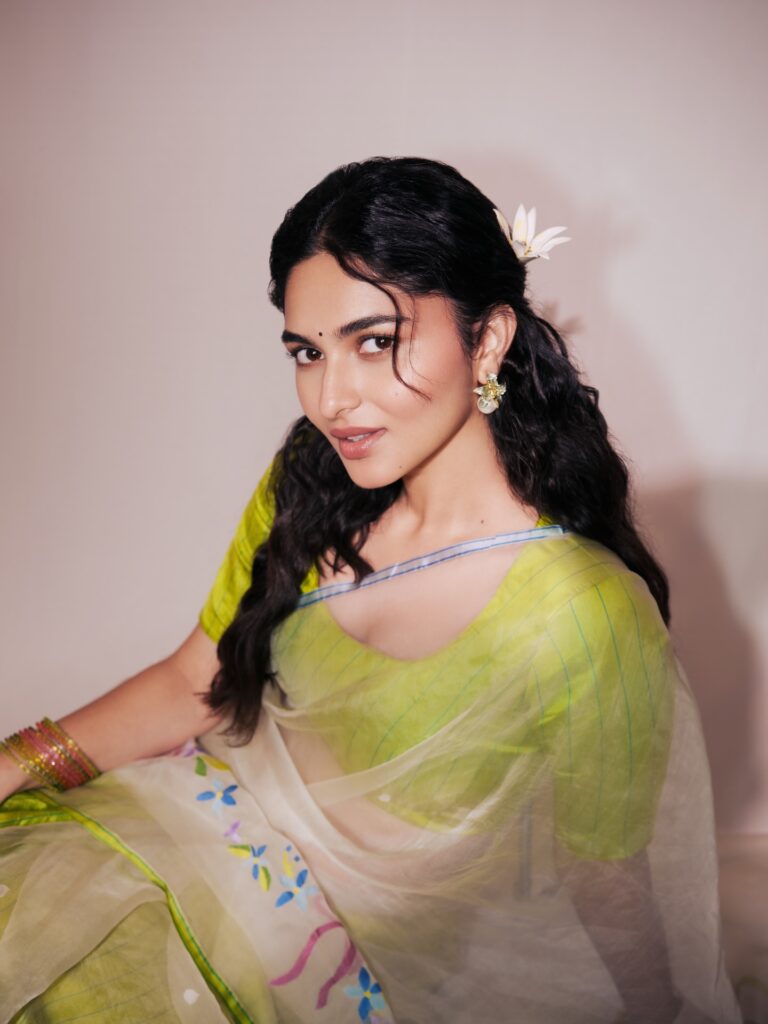
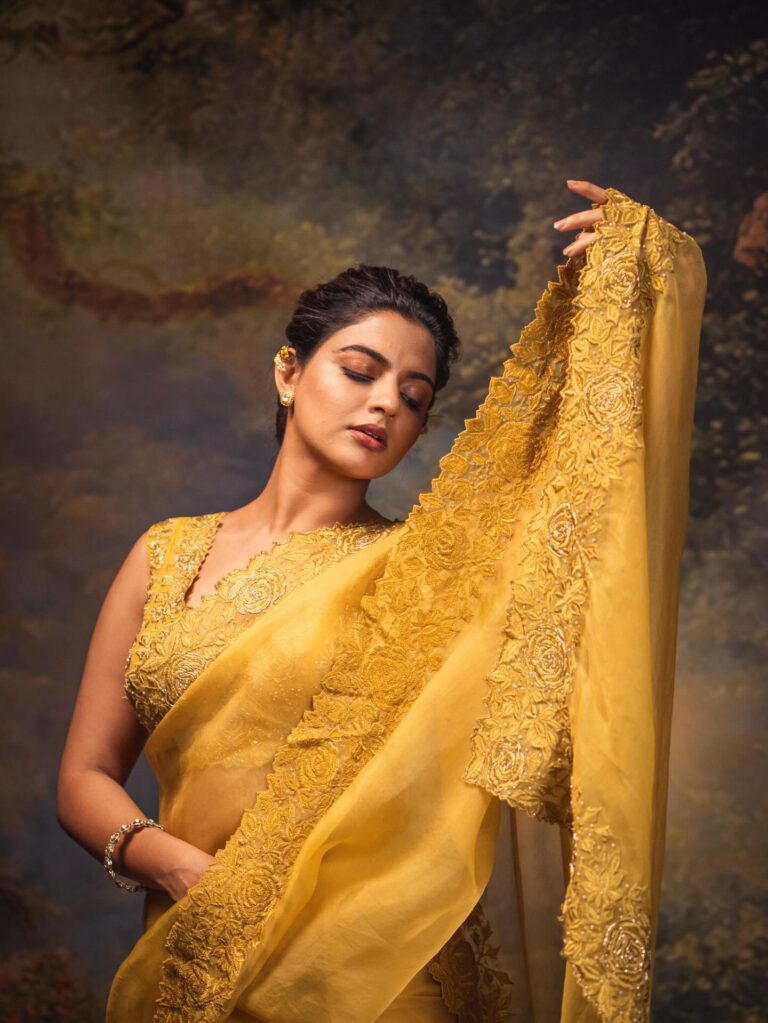
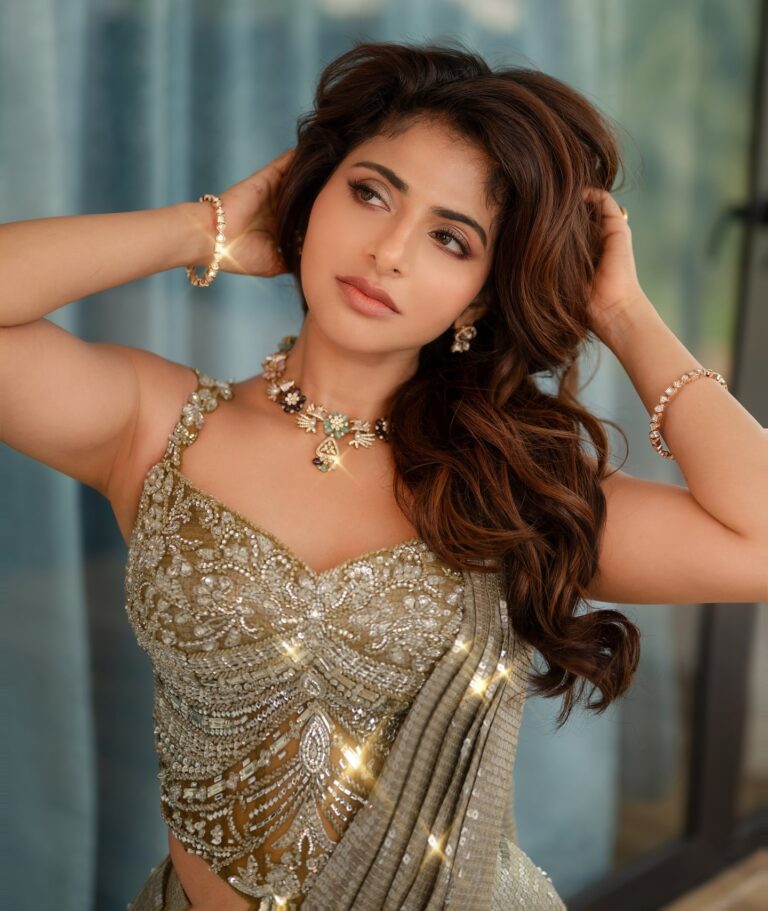
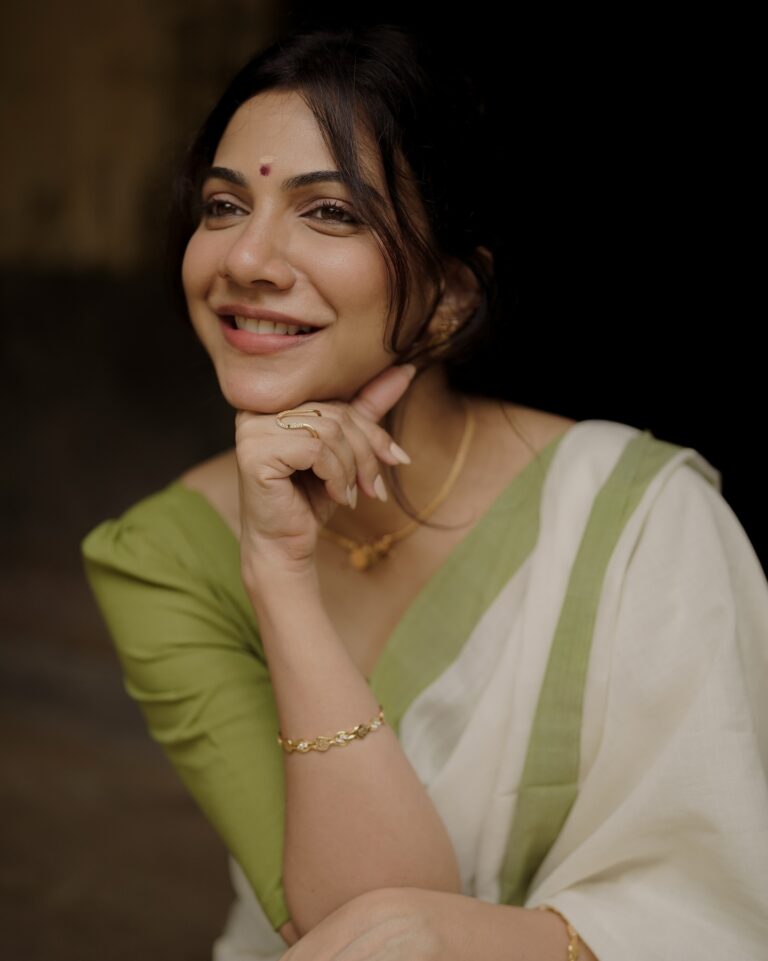
A lehenga saree is a saree draped to mimic a lehenga skirt, giving a perfect blend of elegance and volume. To wear it, choose a structured handloom saree, create small, evenly spaced pleats around your waist, secure the pleats with pins or a belt, and drape the pallu creatively. This style is perfect for weddings, sangeet ceremonies, and festive occasions.
If you are wondering how to wear lehenga saree, this guide is for you. WeaverStory offers a curated collection of handcrafted sarees that are perfect for experimenting with modern drapes. A lehenga-style saree combines the elegance of a saree with the fullness of a lehenga, making it ideal for brides, festive occasions, and women who love versatile wardrobe options. By following the correct steps and choosing the right fabric, anyone can achieve a flawless and regal lehenga saree look.
What is a Lehenga Saree Style?
A lehenga saree is a fusion drape where the saree is styled like a lehenga skirt. Unlike a stitched lehenga, it requires no tailoring, making it an easy yet elegant option for multiple occasions. This style has gained immense popularity because it offers the dramatic flair of a lehenga while retaining the sophistication of a saree.
The reasons for its popularity include:
- Easy draping without stitching or customisation
- Reusable for multiple events with slight variations
- Flattering for all body types with proper pleat placement
- Perfect for weddings, sangeet ceremonies, receptions, and festive gatherings
Learning how to wear lehenga saree allows you to combine tradition with contemporary style effortlessly.
Choosing the Right Saree for Lehenga Style
The choice of fabric and texture plays a vital role in achieving the perfect lehenga effect. Handloom sarees, such as those available at WeaverStory, naturally hold pleats and give volume, making them an excellent choice for this style.
Best Fabrics for Volume and Structure
Choose sarees that provide enough weight and structure to hold the pleats:
- Banarasi Silk: Adds richness, shine, and structured pleats
- Kanjivaram Silk: Dense weave supports flare and gives elegance
- Organza: Lightweight yet holds pleats well
- Tissue: Soft shimmer, easy to layer and drape
- Chanderi: Textured and breathable, creates natural fall
Fabrics to Avoid
Avoid fabrics that are too light or too stiff:
- Flowing chiffons do not hold pleats well
- Stiff cottons are hard to layer and manage in multiple pleats
Essential Undergarments and Preparation
Before learning how to wear lehenga saree, make sure you have:
- A well-fitted petticoat or skirt with drawstring for support
- A fitted blouse that complements the saree style
- Safety pins and an optional belt to secure pleats and maintain symmetry
How to Wear Lehenga Saree – Step-by-Step Guide
This step-by-step process ensures your lehenga saree looks flawless, giving the appearance of a structured lehenga skirt with minimal effort.
Step 1: Start with Tucking the Saree
Begin from the right side and make one full round tuck around your waist. Ensure that the saree is evenly placed at the waistline, which forms the base for your lehenga look.
Step 2: Create Small Uniform Pleats
Instead of forming one large pleat section, make multiple small pleats. Spread them evenly around the waist to create a fuller flare and achieve the lehenga effect naturally.
Step 3: Layer the Pleats for Volume
Overlap the pleats slightly to enhance volume. Adjust the pleats so that the flare is even all around, giving the illusion of a lehenga skirt while maintaining the elegance of a saree.
Step 4: Secure the Base
Use safety pins to secure the pleats at the waist. Check that the flare is symmetrical and the pleats are evenly distributed. This step is crucial to maintain the structured appearance of the lehenga drape throughout the event.
Step 5: Drape the Pallu
Choose the classic over-shoulder pallu or try the Gujarati-style front pallu. Ensure the pallu drapes elegantly and complements the pleated waistline. You can also experiment with pleating the pallu for a more contemporary look.
Step 6: Final Adjustments
Add a belt if desired to further secure the waist and add a modern touch. Adjust the pleats and pallu to ensure symmetry and flawless fall. Once complete, your lehenga saree will have volume, elegance, and regal charm.
5 Stunning Ways to Style a Lehenga Saree
Once you know how to wear lehenga saree, explore these creative styling variations:
- Classic Bridal Drape: Traditional style for brides with a flowing pallu
- Belted Modern Look: Adds structure and contemporary appeal
- Cape Style Fusion: Layer with a sheer cape for a dramatic effect
- Jacket Layering Style: Pair with an embroidered jacket for sophistication
- Dupatta Overlay Look: Create extra depth with a dupatta layered over pleats
Styling Tips from Experts
- Choose rich handloom textures for natural flair and regal volume
- Use a contrasting blouse to add dimension to the drape
- Accessorise with heirloom or traditional jewellery to complete the look
- Highlight the saree borders for a more pronounced lehenga illusion
- Experiment with pleat placement and pallu draping for a unique personal style
WeaverStory experts recommend selecting fabrics and colours that naturally complement your body type and occasion.
Why Handloom Sarees Work Best for Lehenga Draping
Handloom sarees are ideal for lehenga draping due to their natural weight, texture, and craftsmanship:
- Natural weight helps pleats fall perfectly
- Rich borders enhance the skirt illusion
- Handwoven textures elevate the overall premium look
- Sustainable and ethical fashion choice that lasts for generations
Choosing a handloom saree ensures that your lehenga drape looks structured, elegant, and authentic.
Discover the Perfect Saree for Lehenga Style
WeaverStory offers a curated selection of handwoven sarees suitable for lehenga draping:
- Banarasi, Kanjivaram, Chanderi, Maheshwari, and Organza sarees
- Rich textures, intricate borders, and timeless designs
- Handcrafted by skilled artisans for a premium look
- Ideal for weddings, sangeet, festivals, and celebratory events
Final Thoughts
Learning how to wear lehenga saree allows you to combine tradition with contemporary style, giving elegance, flair, and versatility. By choosing the right handloom fabric, making small pleats, and experimenting with pallu draping, anyone can achieve a regal look for weddings and festive occasions.
Elevate your style with WeaverStory’s handcrafted collection and explore sarees that transform every drape into a statement.
Explore the WeaverStory Collection
Frequently Asked Questions
Q1. How do I drape a lehenga saree for beginners?
Start with a structured handloom saree. Make multiple small pleats around your waist, secure them with pins, and drape the pallu over your shoulder. Practice will make the process easier, and the flare will look natural.
Q2. Can I wear a lehenga saree without a petticoat?
A petticoat is highly recommended as it provides support and helps maintain the flare. Without it, the pleats may not stay in place, and the overall look could lose structure.
Q3. Is a lehenga saree suitable for weddings and festive occasions?
Yes, a lehenga saree is perfect for weddings, sangeet ceremonies, receptions, and festivals. It combines traditional elegance with contemporary style, making it versatile for multiple events.
Q4. Will a lehenga saree suit all body types?
Yes, with the right pleat size and pallu draping, a lehenga saree flatters all body types. Taller women can increase pleat length, while petite women can adjust pleat width and pallu length for proportion.
Q5. What is the best fabric for a lehenga-style saree?
Silk varieties such as Banarasi or Kanjivaram, Organza, Tissue, and Chanderi are ideal. These fabrics hold pleats well, maintain volume, and provide an elegant fall.
Q6. Why are handloom sarees preferred for lehenga draping?
Handloom sarees hold pleats naturally, have rich textures, and feature borders that enhance the skirt illusion. They also offer authenticity, quality craftsmanship, and sustainable fashion choices.
Q7. How long does it take to drape a lehenga saree?
It typically takes 10 to 15 minutes once you are familiar with the steps. Beginners may take a little longer, but regular practice ensures a smooth and quick draping process.
Q8. Can beginners try modern lehenga drape styles?
Yes, beginners can start with simple drapes and gradually experiment with belts, jackets, or cape layering. Handloom sarees make it easier to try modern variations without compromising structure.
About the Author