If you have a full week of summer weddings ahead, you do not need seven completely different outfits. You need a smarter plan.
That is where the 3-saree rule comes in. Instead of panic-buying for every function, you build three distinct saree looks that can be restyled across haldi, mehendi, sangeet, day weddings, and evening receptions without feeling repetitive. The trick is choosing the right mix of fabric, colour, and mood.
For summer weddings especially, this matters. Heavy drapes can feel exhausting by the second event, while breathable sarees with thoughtful styling can carry you through the week looking polished every single time.
In this guide, we will break down exactly how to choose those three sarees, how to rotate them across different wedding functions, and how to make each look feel fresh.
If you are building a practical festive wardrobe, Sudathi’s summer-ready saree selection is a smart place to start.
What is the 3-saree rule?
The 3-saree rule is a simple wedding guest styling formula: choose three sarees with clearly different personalities, then change the blouse, jewelry, drape, hairstyle, and occasion styling so each wear looks intentional.
In most week-long wedding schedules, not every function needs a heavily embroidered outfit. Some events are bright and playful. Some are traditional and daytime-friendly.
Some need a slightly dressier evening mood. When your three sarees cover those three style zones, repeating does not look like repeating. It looks like planning.
A useful way to think about it is this:
- one Summer Saree for light daytime functions
- one Everyday Saree that can be styled up for multiple events
- one Party Wear Saree for dressier evenings
Why this rule works so well for summer weddings
Summer weddings ask a lot from your wardrobe. You want to look festive, but you also need breathability, lighter drapes, and colours that do not feel visually heavy in harsh heat or daylight photography.
The 3-saree rule works because it reduces overpacking while giving you enough variation. You avoid carrying a suitcase full of options that all look similar. You also make better decisions when shopping because every saree has a role.
For most women, the biggest mistake is buying multiple occasion sarees in the same family of colour, shine, or fabric. Then every outfit starts to blend together in photos. A better approach is deliberate contrast.
The three sarees you actually need
1. A Summer Saree
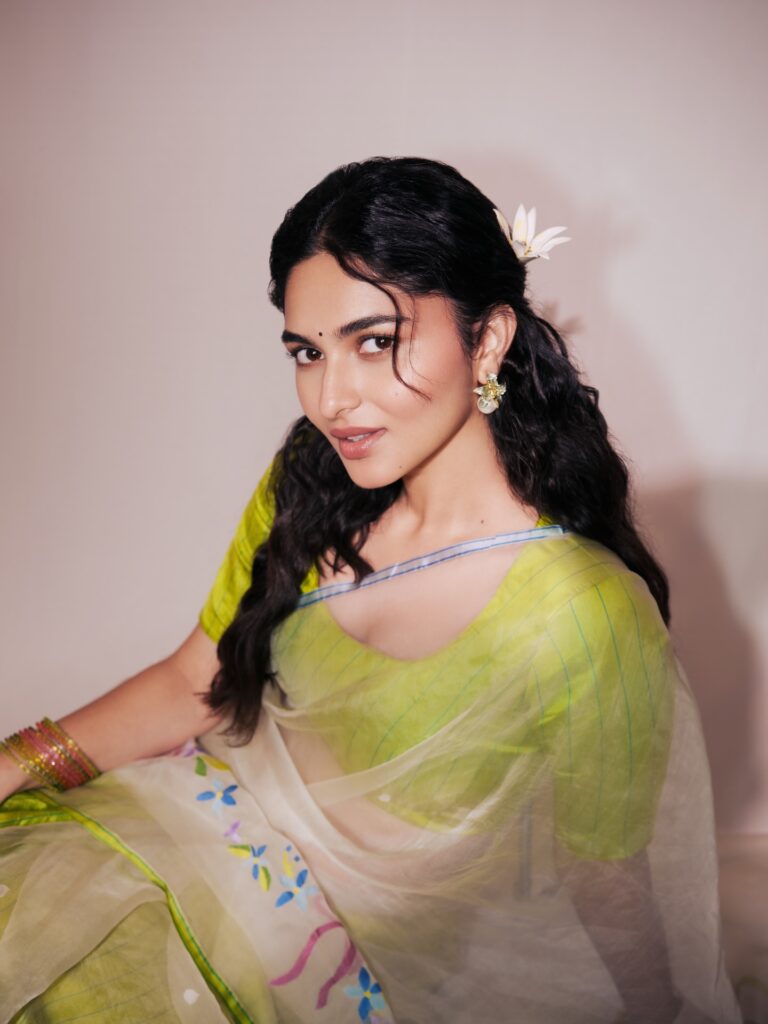
Your first saree should feel light, cheerful, and easy in natural light. This is the saree you can wear to a haldi, mehendi, brunch wedding event, family puja, or a relaxed day ceremony.
Look for breathable fabrics like linen, cotton blends, khadi, or soft printed sarees. Floral prints, bandhani-inspired patterns, pastels, peach tones, pista greens, coral shades, and light yellows work beautifully here.
This saree should do three things well: keep you comfortable, photograph softly in the daytime, and leave space for playful accessories.
A Summer Saree from Sudathi works especially well for this role because it gives you that festive feel without the weight of a heavily occasion-specific outfit.
2. An Everyday Saree
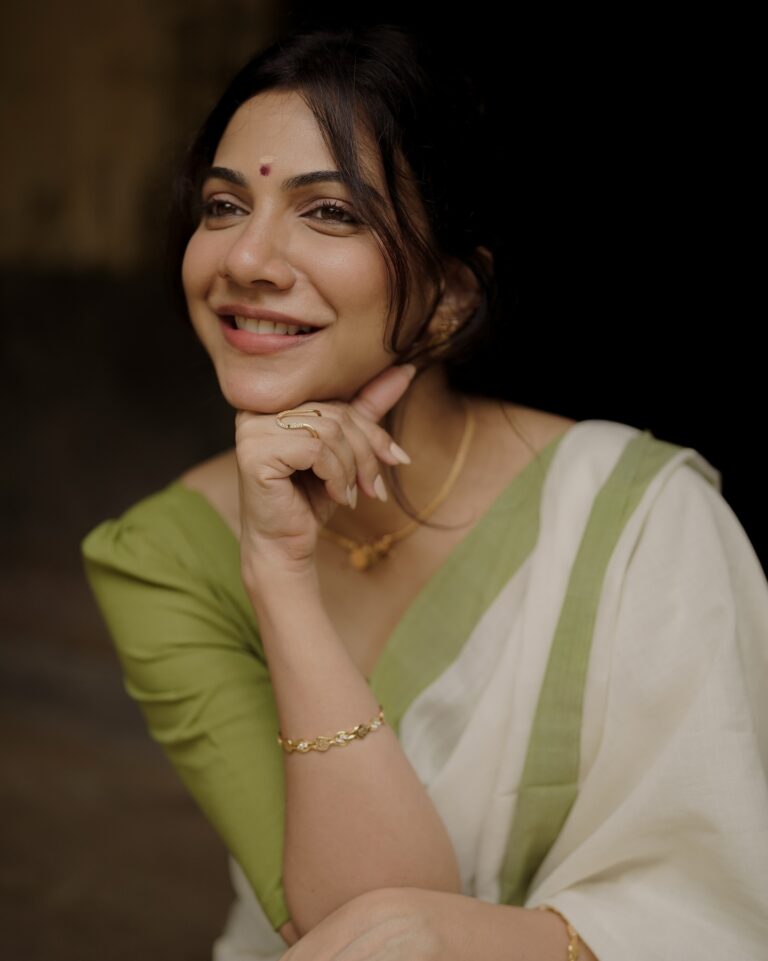
Your second saree is the one you wear when you know you will be walking, greeting people, dancing a little, and staying dressed for hours.
Think mehendi night, sangeet, welcome dinner, or any event where comfort matters almost as much as style.
This is where easy drapes, soft chiffon, lighter georgettes, printed styles, or fuss-free festive looks shine. You want something that feels a little more noticeable than your Summer Saree, but still manageable in summer weather.
The goal is not maximum embellishment. The goal is graceful movement.
If one saree in your wedding week needs to save your energy, it is this one.
3. A Party Wear Saree
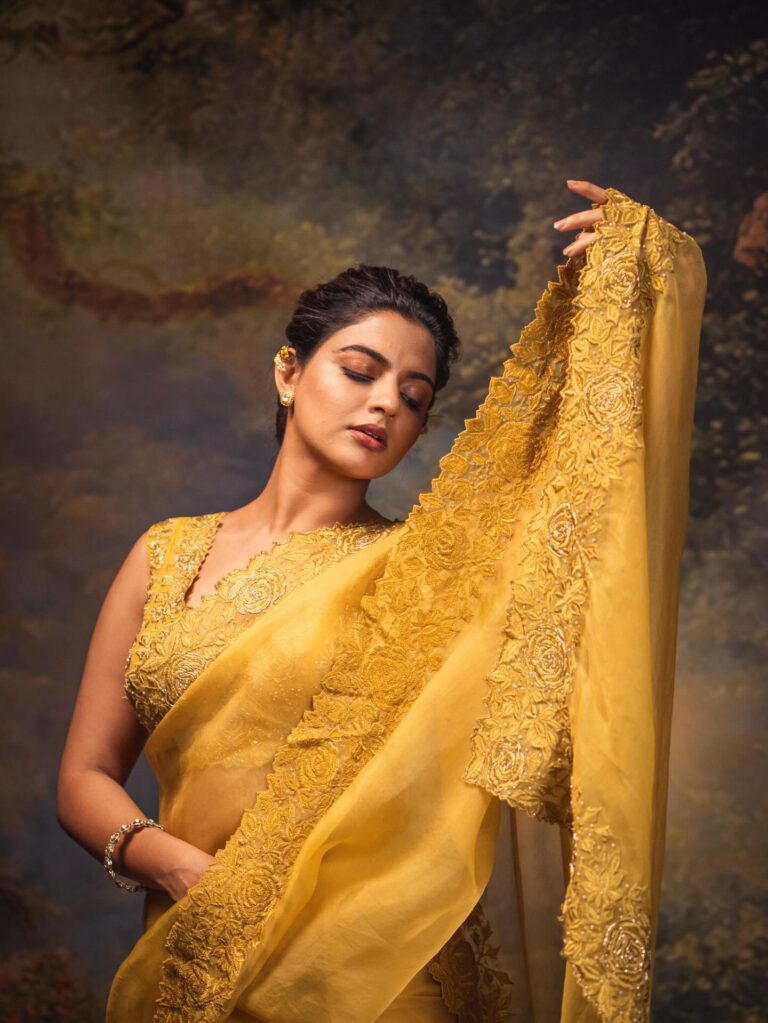
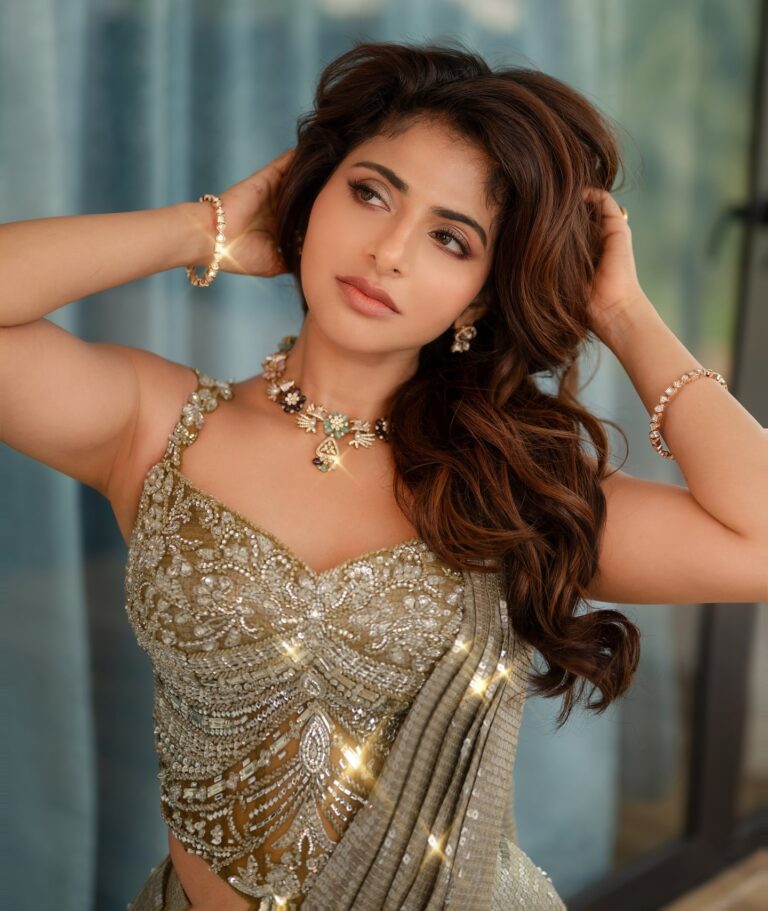
Your third saree is for the elevated moment. This could be the reception, the main wedding function, or a formal family dinner where you want to look more refined without moving into full bridal territory.
A party wear saree, a richer printed saree, or a saree with a stronger border can work beautifully here. Choose a piece with presence, but be careful with very heavy construction in peak summer. You want elegance, not exhaustion.
This saree should feel timeless enough that even if it appears in multiple photos from the week, it still looks special.
A simple 7-day summer wedding rotation
You can stretch three sarees surprisingly well when each one has a distinct mood.
- Day 1, welcome lunch or family gathering: wear the summer saree with soft waves and light earrings.
- Day 2, mehendi: repeat the summer saree with a more festive blouse, stacked bangles, and a different drape.
- Day 3, sangeet or cocktail-style function: wear the everyday saree with a sharper blouse and bolder makeup.
- Day 4, daytime wedding ceremony: bring back the party wear saree with traditional jewelry and a classic drape.
- Day 5, post-wedding lunch: rewear the everyday saree in a simpler way with smaller accessories.
- Day 6, reception or formal dinner: style the party wear saree again with a more dramatic blouse, clutch, and evening makeup.
- Day 7, temple visit or farewell brunch: return to the summer saree with minimal styling and flat sandals.
That is the real power of this rule. The sarees repeat, but the styling story changes.
How to avoid looking like you repeated the same outfit
Change the blouse before you change the saree
If you want one saree to feel completely different, change the blouse. A plain sleeveless blouse, a printed blouse, a blouse with a deeper back, or a textured festive blouse can shift the entire mood of the drape.
For wedding weeks, blouses do a lot of the visual work. Often, people notice the neckline, sleeves, jewellery, and styling before they register that the saree has appeared before.
Vary the jewelry by function
Keep one look minimal, one look playful, and one look dressier. Small jhumkas and glass bangles create a very different impression from a statement choker or layered necklace. You do not need more sarees. You need styling contrast.
Use hairstyles strategically
A sleek bun, soft curls, braid with flowers, or low ponytail changes the whole energy of the look. This is one of the easiest ways to create visual variety across wedding photos.
Shift the drape mood
Even small draping differences can help. Clean pleats and a traditional pallu feel more formal. A lighter, freer drape feels easier and younger. For summer weddings, comfort-first draping usually photographs better because you look more relaxed.
Best fabrics for surviving summer wedding week
When shopping for wedding guest sarees in hot weather, fabric matters just as much as colour.
The best summer-friendly choices usually include linen, cotton blends, khadi-inspired textures, lighter chiffon, easy georgette, and softer woven styles that do not feel stiff. These fabrics help with movement, breathability, and long wear.
If you love richer festive looks, choose sarees that look elevated through print, weave, or border detail rather than sheer weight. A saree that feels elegant and wearable will always get more use than one that only looks good for twenty minutes.
How to choose colours so all three sarees feel different
A good three-saree wardrobe should not stay in one colour family.
Try this formula:
- one soft or pastel saree
- one brighter or more playful saree
- one deeper or more refined saree
For summer wedding dressing, combinations like peach, pista green, coral, powder blue, lilac, wine, or muted gold-toned accents can create variety without feeling loud. The point is not to own every colour. The point is to make sure each saree serves a different visual purpose.
Build your 3-saree wedding week wardrobe
If you are shopping with this rule in mind, start with breathable pieces that already work across multiple functions instead of one-event outfits.


Sudathi’s summer sarees collection is a strong place to begin because it includes lighter, season-friendly options that suit daytime events, easy festive dressing, and elegant rewear across functions.
The smarter way to dress for summer weddings
A week of weddings does not have to mean outfit stress, overspending, or carrying a suitcase full of near-identical looks. Three well-chosen sarees can take you through the entire schedule if each one earns its place.
That is the beauty of the 3-saree rule. It is practical, photo-friendly, and far more realistic than pretending every event needs a brand-new outfit.
If you want wedding guest sarees that feel festive without becoming too heavy for the season, Sudathi offers summer-ready options that make repeating look intentional, elegant, and easy.
About the Author