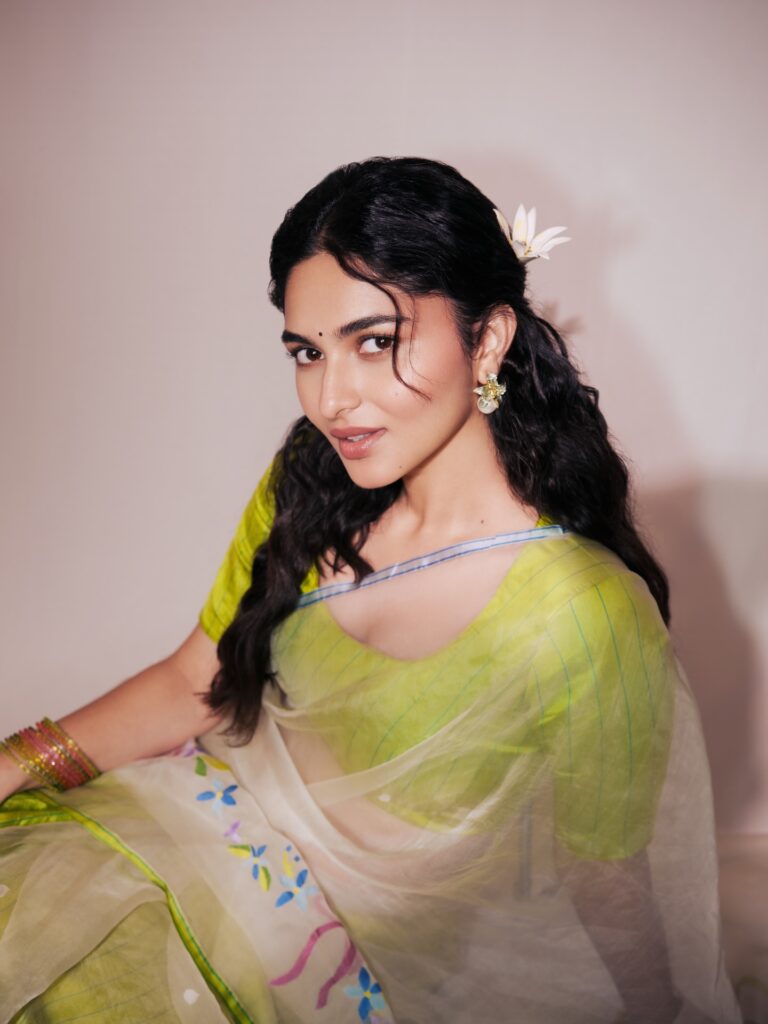
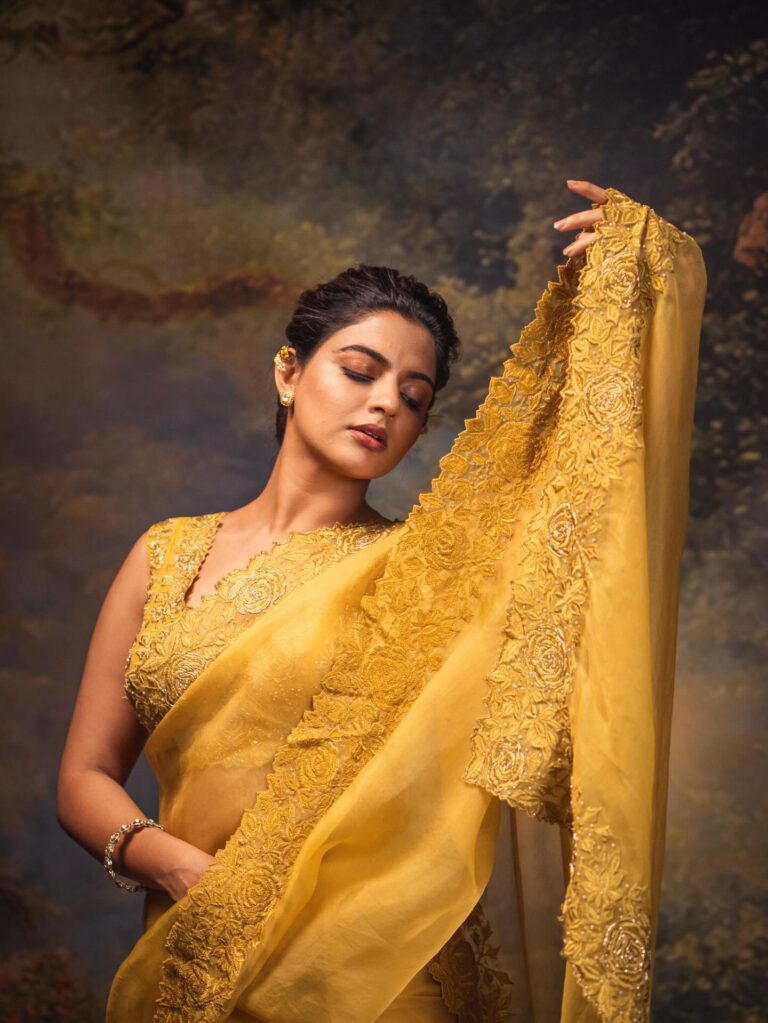
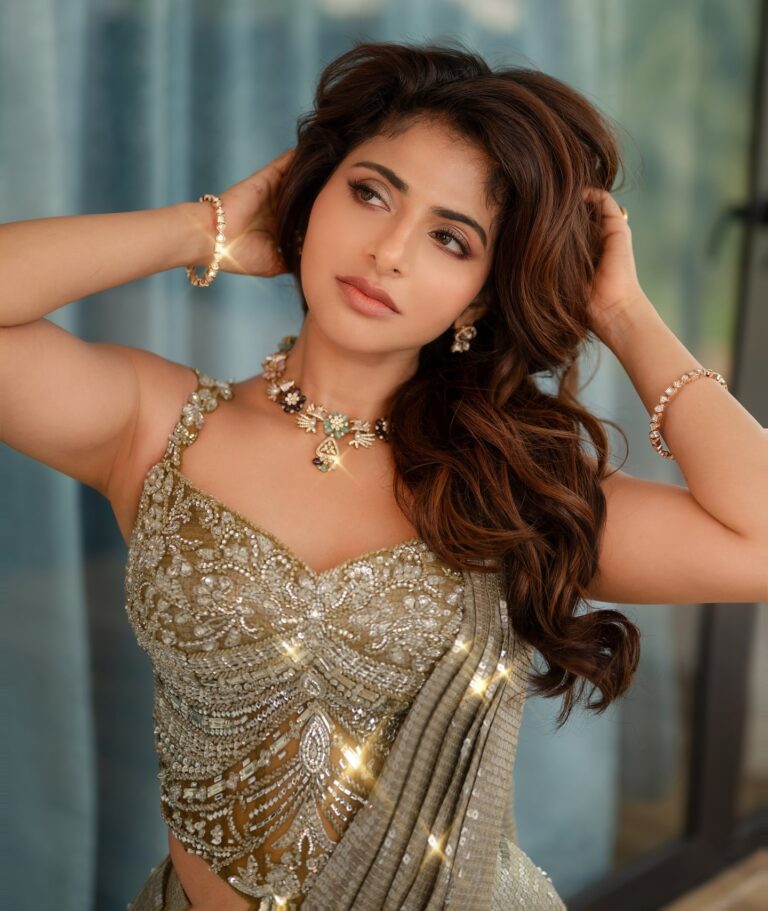
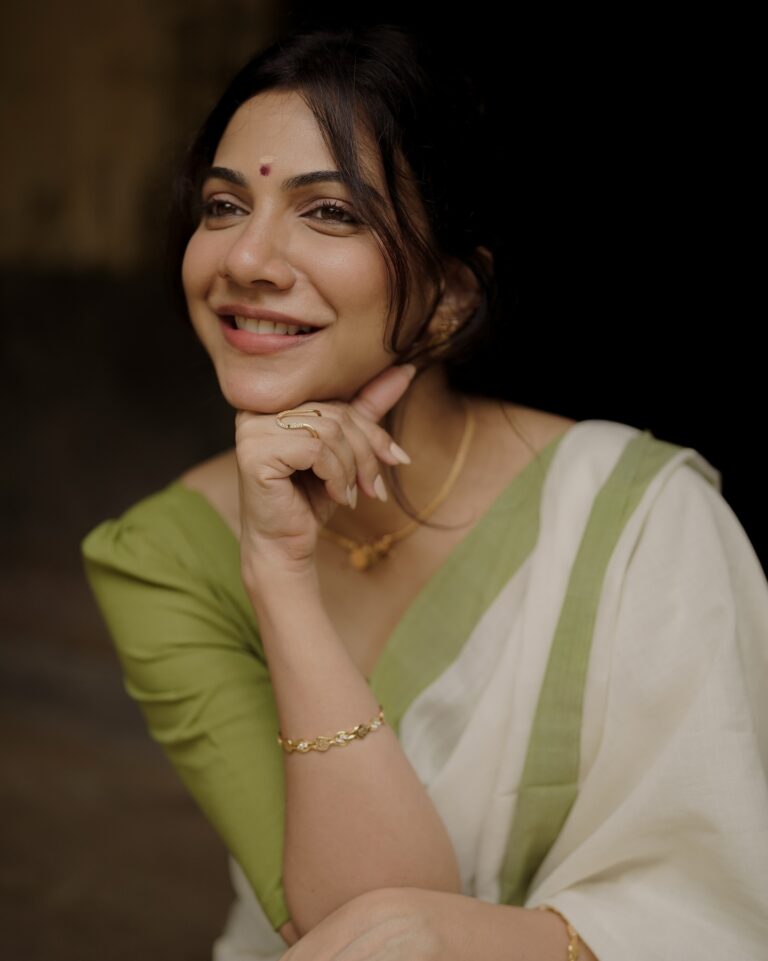
Saree Superstitions: The Soft Power of the Pink Saree
Let’s be honest — when you think of a pink saree, what comes to mind? Romance? Femininity? That sweet, safe color that bridesmaids wear while the bride takes the spotlight in red?
Pink is soft, delicate, non-threatening… or is it?
See, we often associate sarees with festivals, weddings, family rituals, or office events. We pick colors that feel right. But how often do we stop and ask: why does that color feel “right” for the occasion? What if that saree in your wardrobe isn’t just pretty — what if it’s carrying a superstition, a cultural whisper passed down for generations?
Because here’s the thing: in India, sarees aren’t just worn — they’re believed in.
More Than Fabric — It’s Emotion, Identity, and Energy
A saree is a memory you can touch. Your mother’s soft cotton saree, smelling of coconut oil and sandalwood. Your first silk saree at a cousin’s wedding. That stiff Kanjeevaram you tripped over at your own engagement.
In Indian tradition, we don’t wear sarees randomly. We wear certain colors for specific rituals, fabrics for particular seasons, and drapes based on marital status or region. Much of this is rooted in practicality, sure — but woven into all of it are layers of belief.
Some of them are beautiful. Some, frankly, strange. And most of them are quietly fading from our daily lives.
But not entirely.
Pink: Not Just Pretty, But Predictive?
Let’s talk pink.
It’s often the go-to for mehendi functions, pujas, daytime weddings, and baby showers. It’s seen as the color of emotional sweetness, gentle beginnings, and grace. But did you know that in many communities, wearing pink on the wrong day is believed to attract uncertainty in relationships?
Yes — there’s a whispering belief in parts of Maharashtra and Tamil Nadu that wearing pink on Fridays, especially if unmarried, can bring instability to your romantic or marital life. It’s subtle — not as ominous as black — but it exists.
In some old-school North Indian households, pink sarees were kept aside for engagement ceremonies only, as it was believed to represent promise but not fulfillment. Meaning? Great for starting something, not for sealing the deal.
And let’s not forget the belief that deep rose pinks shouldn’t be worn to funerals or grieving rituals — not because it’s bright, but because it symbolizes “hope and rebirth,” which can be seen as disrespectful during mourning.
Sounds far-fetched? Maybe. But ask your grandmother. She might have avoided a pink saree on a temple visit and not even know why — just that her mother told her not to.
The Modern Shift — But Not a Complete Departure
Today, of course, pink is everywhere. From Kareena’s pastel net sarees to Alia Bhatt’s soft silk drapes, pink has become a red carpet darling. Women wear it to job interviews, fashion shows, date nights, and poojas.
We’re not always listening to those age-old rules anymore. And that’s okay.
But it’s fascinating to realize how deep these beliefs go. That your pastel blush saree might have been considered inappropriate at certain rituals just a generation ago. That hot pinks were once reserved for married women only. That “pink” could mean different things in different communities — from purity to playfulness to potential.
So What Does Your Pink Saree Say About You?
Maybe nothing. Maybe everything.
Maybe it says you’re romantic, or rebellious. Maybe it means you’re grounded in tradition but not afraid to bend the rules. Maybe you’re someone who understands that while superstitions may fade, the emotional weight of a saree never really does.
So the next time you reach for a pink saree, pause for just a second.
Not to overthink it — but to acknowledge that even the softest shade has a story.
And in India, even pink comes with a warning label — wrapped in silk and stitched in love.
About the author
Sumana Bhattacharya completed her Masters in Economics from the University of Calcutta & was working with the Department of Education, Govt. of West Bengal to provide training to the teachers in Government Schools. She moved to USA in 2005 after getting married & is the mother of 2 kids. She is the one that drives IndyVogue every day, every hour, every minute and every second. Salute to her and her undying spirit.
About the Author